Japanese Knives
Japanese Knife Types
What this is based on: published manufacturer specifications and retailer listings, cited on each product; the weight of professional and owner reviews across multiple retailers; and hands-on experience sharpening and cooking with knives of this type. We have not individually tested every model listed, we do not run instrumented sharpness testing, and we do not claim a test we did not run.
Quick picks
| # | Product | Best for | Score | Price |
|---|---|---|---|---|
| 1 | 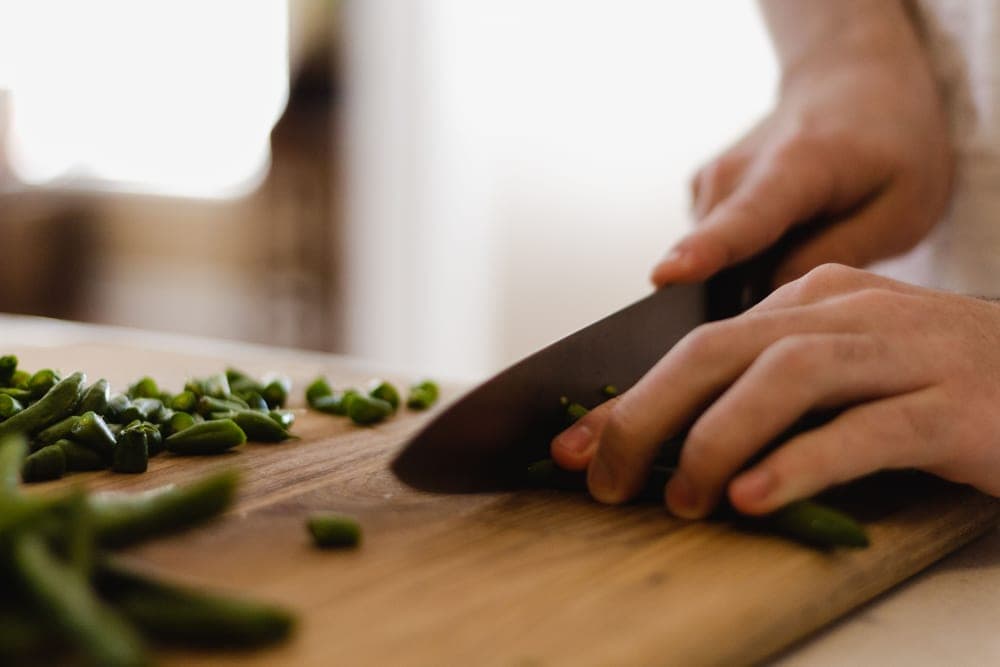 Tojiro DP Gyuto 210mm (F-808) | First Japanese knife | 8.6 | |
| 2 |  Tojiro DP Santoku 170mm (F-503) | A second Japanese knife on a budget | 8.4 | |
| 3 | 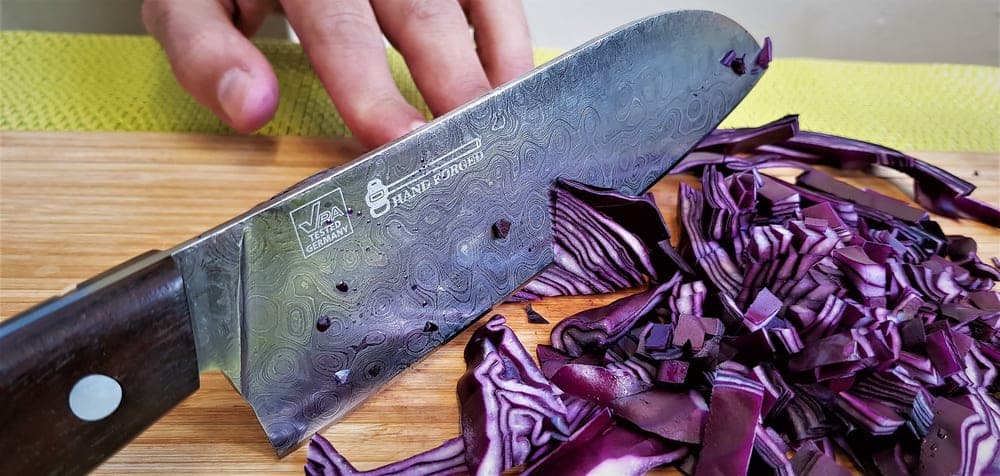 Tojiro DP Nakiri 165mm (F-502) | First nakiri | 8.7 |
Double-bevel knives — the ones you should buy
Double-bevel means ground on both sides, like every Western knife. They cut straight, they work for either hand, and they sharpen with normal technique.
Gyuto — the chef's knife
180 to 270mm, curved belly, pointed tip. The Japanese take on the Western chef's knife: same job, thinner and harder. The default first purchase. Our gyuto picks.
Santoku — three virtues
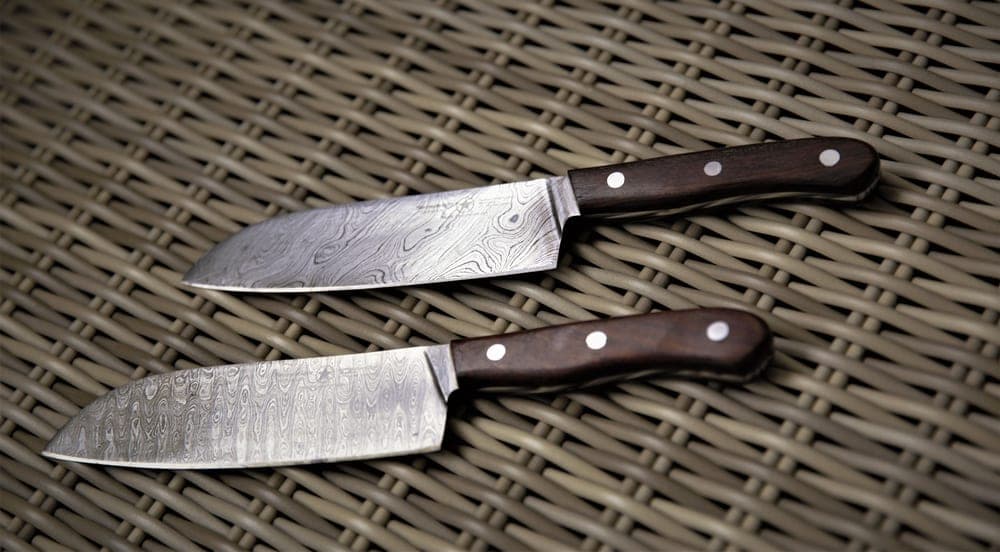
160 to 190mm, near-flat edge, sheep's-foot tip. Shorter and more controllable than a gyuto on a small board, and it gives up the point. Santoku picks.
Nakiri — the vegetable knife
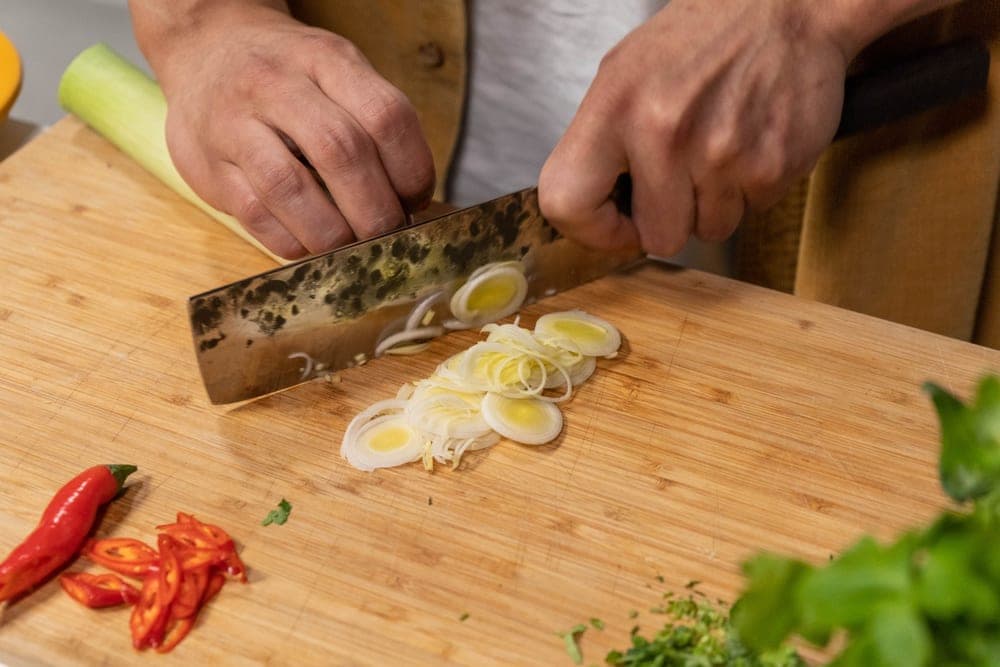
165mm, completely flat, tall, no tip. Full board contact on every cut, so vegetable slices separate cleanly. Cannot touch protein. Nakiri picks.
Bunka — the santoku with a point
165 to 180mm, flat edge, angled reverse-tanto tip. Push-cutting shape that keeps a very acute point. Mostly sold through specialist retailers. Gyuto against bunka.
Petty — the small board knife
120 to 150mm. Too long for in-hand peeling, too short for general board work, which is precisely the niche it fills: trimming, segmenting, slicing one shallot. Petty against paring.
Sujihiki — the slicer
240 to 300mm, long and narrow, minimal belly. For single-stroke slices through a roast or a fillet. Beautiful, specialized, unnecessary for most people.
Single-bevel knives — the professional tools
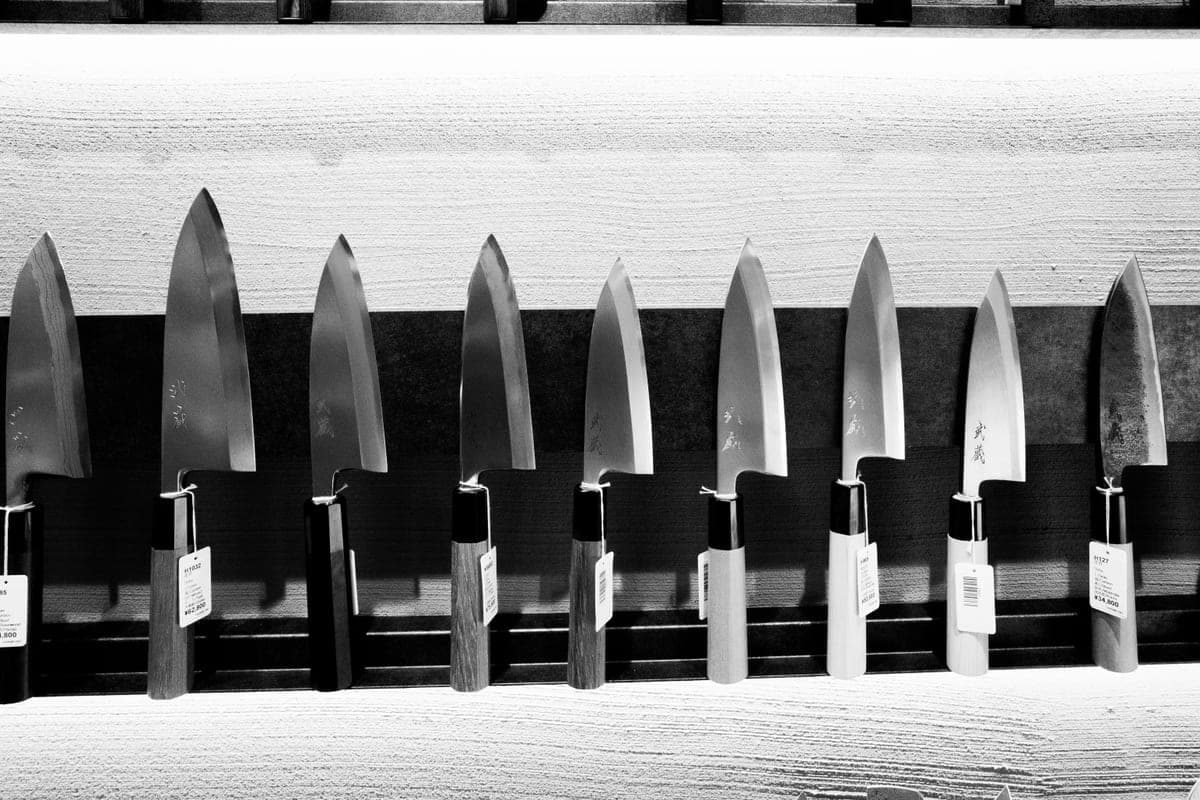
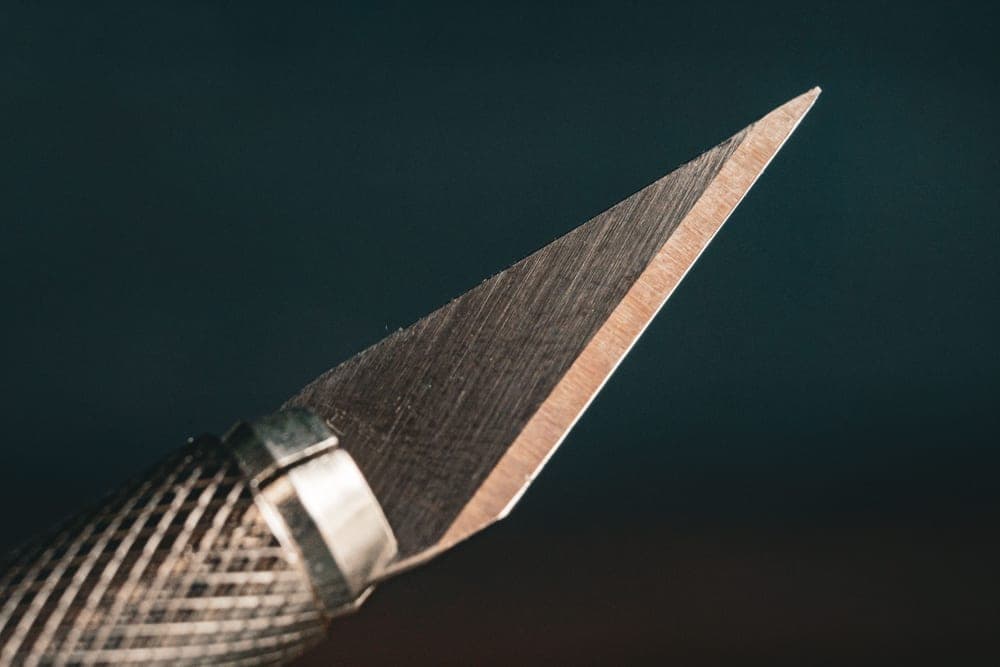
Ground on one side only, with a hollow (urasuki) on the flat side. They steer in the cut, they are made handed, and they need a different sharpening technique. What single bevel actually means.
Deba — the fish butchery knife
150 to 210mm, thick, heavy, single bevel. Built to go through fish heads and small bones. Not a general-purpose knife and not for vegetables.
Yanagiba — the sashimi slicer
240 to 300mm, long, thin, single bevel. One clean draw stroke through raw fish. The single-bevel grind is what gives sashimi its surface.
Usuba — the traditional vegetable knife
The single-bevel ancestor of the nakiri. Thicker, handed, and used for techniques like katsuramuki. A professional knife.
Kiritsuke — the ambiguous one
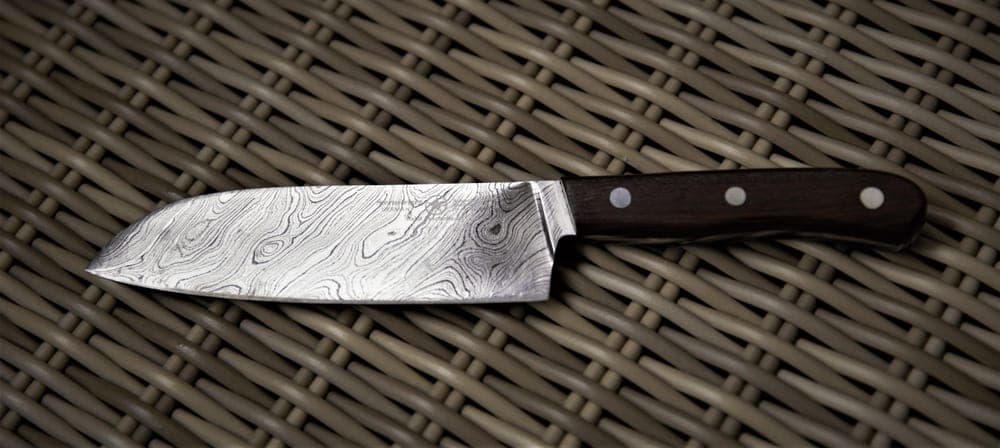
Traditionally a long single-bevel knife with an angled tip. Most Western retail "kiritsuke" are double-bevel kiritsuke gyutos, which is a different and much more usable thing. The distinction matters.
The whole thing in one table
| Shape | Length | Bevel | For | Home kitchen? |
|---|---|---|---|---|
| Gyuto | 180–270mm | Double | Everything | Yes — start here |
| Santoku | 160–190mm | Double | Everything, small boards | Yes |
| Nakiri | 165mm | Double | Vegetables | Yes, as a second knife |
| Bunka | 165–180mm | Double | Everything, with a fine tip | Second knife |
| Petty | 120–150mm | Double | Small board work | Yes |
| Sujihiki | 240–300mm | Double | Slicing cooked meat, fish | Optional |
| Deba | 150–210mm | Single | Fish butchery | No |
| Yanagiba | 240–300mm | Single | Sashimi | No |
| Usuba | 165–210mm | Single | Traditional vegetable work | No |
| Kiritsuke | 210–270mm | Either | Depends entirely on the grind | Double-bevel versions only |
The three to own
A gyuto, a small knife, and — if you cut a lot of vegetables — a nakiri. Everything else on this page is either a duplicate of one of those or a professional tool that will frustrate you. The picks below are the inexpensive versions of all three, so you can find out which shape suits you before committing real money.
The picks in detail
#1 · First Japanese knife
Tojiro DP Gyuto 210mm (F-808)
The default answer to 'my first real Japanese knife'. VG-10 at around 60 HRC in a plain three-layer build, at a price that makes the inevitable first chip survivable.
What it does well
- VG-10 at 59-60 HRC takes a genuinely fine edge and holds it far longer than a German knife at 56-58
- 1.9 mm spine and 43 mm heel make it thin behind the edge without being fragile
- Cheap enough that learning to sharpen on it is not frightening
Where it gives way
- Handle finish is functional and unlovely; some units need the bolster easing with sandpaper
- Stainless cladding is soft and scratches readily
- Nothing about the fit and finish will impress anyone
Skip it if: Anyone who wants the knife to be beautiful. The handle is a workmanlike composite with a stainless bolster and nothing about it is charming.
| Blade length | 210 mm (8.3 in) |
|---|---|
| Steel | VG-10 core, 13-chrome stainless cladding (san mai) |
| Hardness | 59-60 HRC |
| Heel height | 43 mm |
| Spine at heel | 1.9 mm |
| Weight | approx. 187 g |
| Handle | Western, laminated composite wood with stainless bolster |
#2 · A second Japanese knife on a budget
Tojiro DP Santoku 170mm (F-503)
The gyuto's sibling: same VG-10 san mai, same price bracket, shorter and flatter. The cheapest honest route into a Japanese santoku.
What it does well
- Same steel and geometry philosophy as the F-808 gyuto
- Light and easy to control for shorter cooks
- Inexpensive enough to learn stone work on
Where it gives way
- Plain finish, same as the rest of the DP line
- 170 mm limits you on anything large
- Soft cladding scratches quickly
Skip it if: Anyone who already has a 210 mm gyuto and a small board — the overlap is large.
| Blade length | 170 mm |
|---|---|
| Steel | VG-10 core, three-layer stainless cladding |
| Hardness | 59-61 HRC |
| Handle | Western composite wood with bolster |
#3 · First nakiri
Tojiro DP Nakiri 165mm (F-502)
A flat 165 mm edge in VG-10 at 59-61 HRC for the price of a mid-range German paring knife. The obvious first nakiri.
What it does well
- 45 mm of blade height means your knuckles clear the board
- Genuinely flat edge — full contact, no accordion slices
- 1.8 mm spine falls through vegetables rather than wedging
Where it gives way
- No tip, so it cannot do fine tip work at all
- 207 g is heavier than the profile suggests
- Western handle and bolster feel dense for such a light job
Skip it if: Anyone expecting it to replace a chef's knife. A nakiri does not have a tip and cannot break down a chicken.
| Blade length | 165-170 mm |
|---|---|
| Steel | Takefu VG-10 core, three-layer |
| Hardness | 59-61 HRC |
| Heel height | 45 mm |
| Spine | 1.8 mm, consistent |
| Weight | approx. 207 g |
Common questions
How many types of Japanese kitchen knife are there?
Which Japanese knife types should a home cook own?
What is the difference between a nakiri and an usuba?
What is a sujihiki?
Sources
Read next
Japanese Knives
Gyuto vs Santoku: Which Should You Buy?
Japanese Knives
Santoku vs Nakiri
Japanese Knives
Petty vs Paring Knife
Japanese Knives
Kiritsuke vs Gyuto
Steel & Care
Single Bevel vs Double Bevel
Japanese Knives