Brands
Shun vs Wüsthof
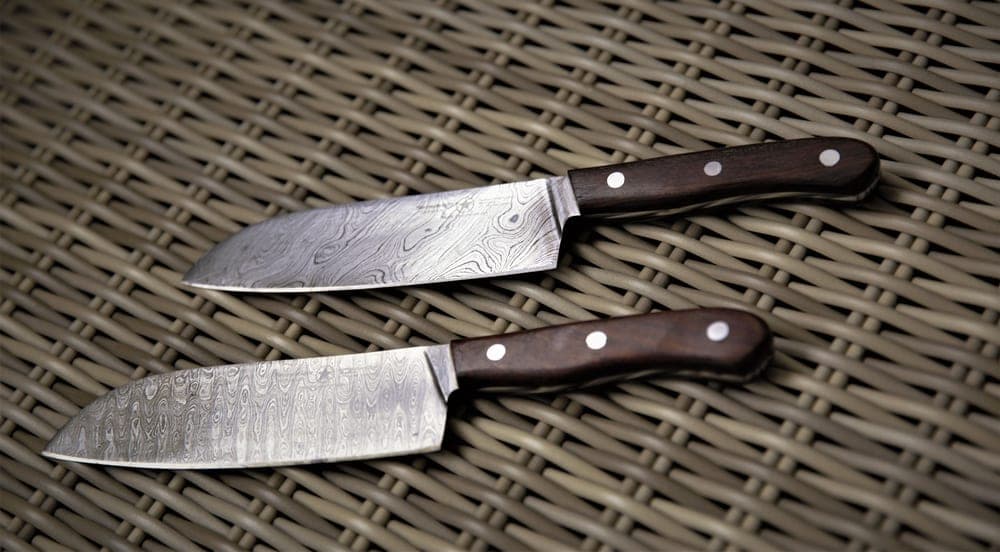
What this is based on: published manufacturer specifications and retailer listings, cited on each product; the weight of professional and owner reviews across multiple retailers; and hands-on experience sharpening and cooking with knives of this type. We have not individually tested every model listed, we do not run instrumented sharpness testing, and we do not claim a test we did not run.
Quick picks
| # | Product | Best for | Score | Price |
|---|---|---|---|---|
| 1 | 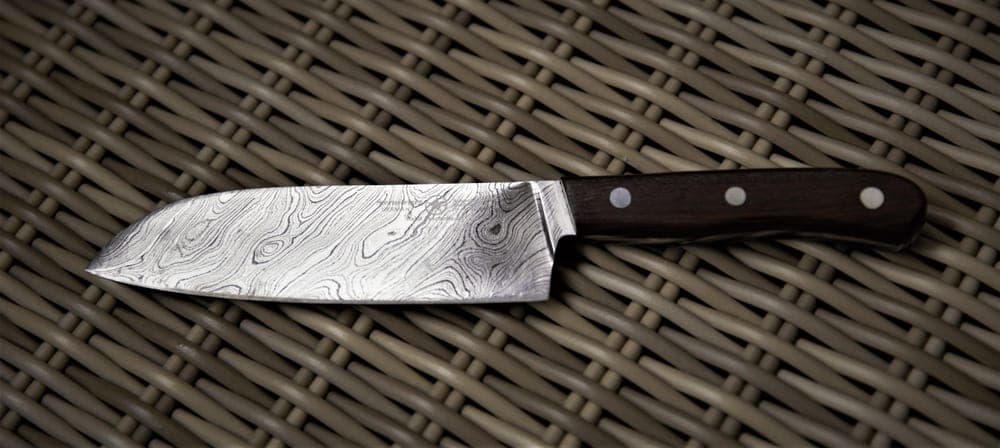 Shun Classic 8" Chef's Knife (DM0706) | A knife you want to look at | 8.3 | |
| 2 | 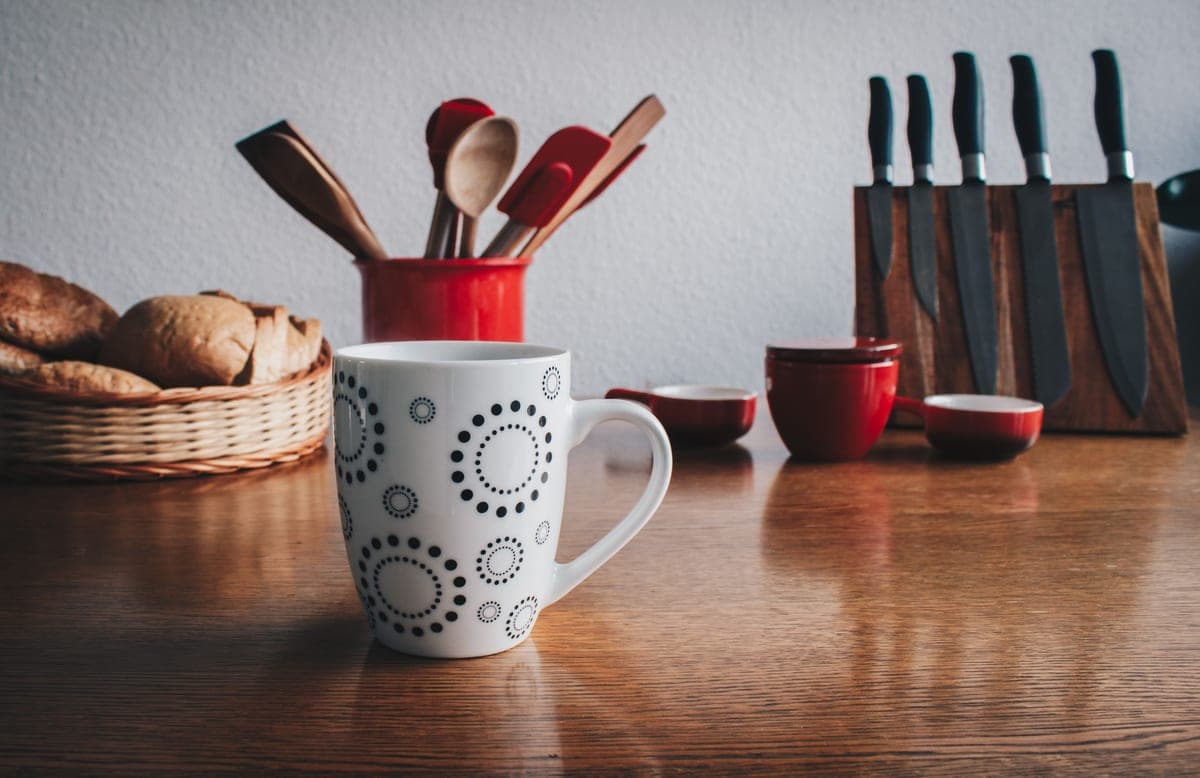 Wüsthof Classic 8" Chef's Knife | Cooks who want weight and a bolster | 7.4 | |
| 3 | 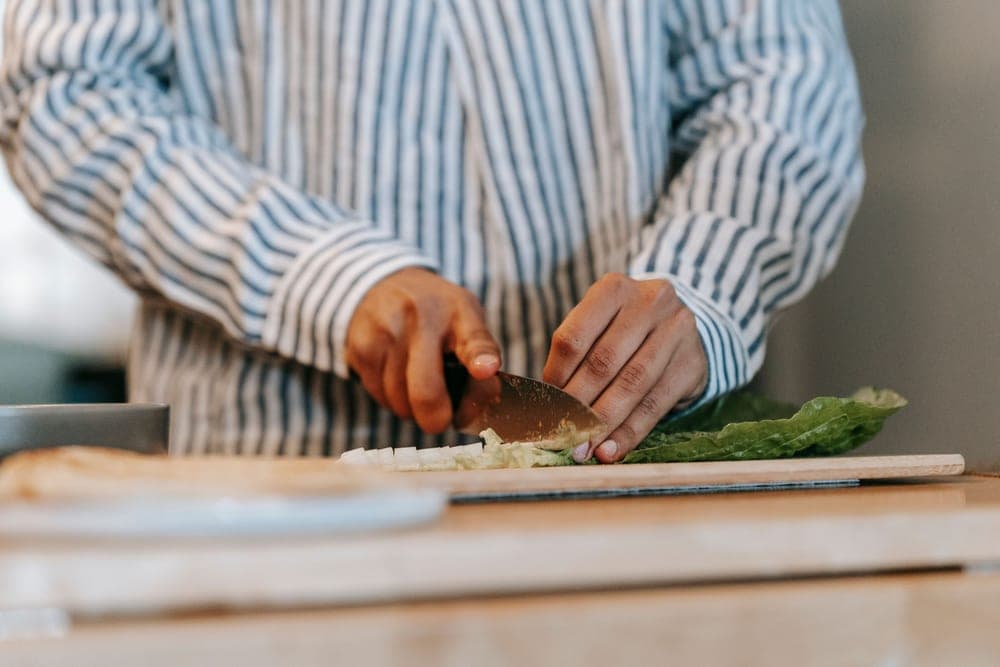 MAC Professional 8" Chef's Knife with Dimples (MTH-80) | The one-knife kitchen | 8.8 |
| Shun Classic (DM0706) | Wüsthof Classic 8" | |
|---|---|---|
| Origin | Seki, Japan | Solingen, Germany |
| Steel | VG-MAX core, 34 Damascus layers each side | X50CrMoV15, mono-steel |
| Hardness | 61 HRC | 58 HRC |
| Factory edge | 16° per side | 14° per side (Precision Edge Technology) |
| Spine at heel | Thin — under 2.5mm | 3mm |
| Weight | Light | 265g |
| Construction | Clad, partial bolster | Forged, full tang, full bolster |
| Handle | D-shaped pakkawood (right-hand oriented) | Triple-riveted POM, symmetrical |
| Warranty | Limited lifetime | Lifetime |
The angle figure surprises people
Wüsthof grinds the Classic at 14 degrees per side. Shun grinds the Classic at 16. The German knife has the more acute factory bevel, which contradicts the received wisdom almost everyone repeats.
The Shun still cuts more easily, because bevel angle is only the last fraction of a millimeter. What determines whether a blade separates food or splits it is the taper behind that bevel — and a 3mm Wüsthof spine is a considerably bigger wedge than a Shun's. The category-level version of this argument.
They fail differently
This is the practical difference that shows up after a year.
- Wüsthof at 58 HRC rolls. The edge bends over and a steel rod pushes it back in ten seconds. Very forgiving.
- Shun at 61 HRC chips. Harder steel fractures rather than bending, and a chip needs a stone. Less forgiving.
Neither is a defect. It is what hardness buys and costs. Steel and hardness explained.
Two things that decide it for individual people
- Weight. The Wüsthof is 265g. That is substantial, and people either love the authority of it or find it tiring after twenty minutes. Hold one.
- The D-handle. Shun's Classic handle is oriented for right-handed use. Left-handed cooks frequently notice; some do not mind at all. Again: hold one.
Wüsthof's full bolster protects your fingers and adds balance. It also sits forward of the heel, so when you sharpen, the stone cannot reach the last centimeter of edge. Over years that leaves a proud lip at the heel that eventually needs grinding back. Shun's partial bolster avoids this.
The verdict
Buy the Shun if you want cutting performance, you will hand wash and dry it, you will keep it off bone and hard boards, and you like the way it looks — which is a legitimate reason, because you will use it every day.
Buy the Wüsthof if the kitchen is busy, other people use your knives, you want the weight, or you would rather a tool that tolerates being treated like one.
Buy neither if you want the best cutter for the money: the MAC MTH-80 is thinner than the Wüsthof, 61 HRC like the Shun, ground at 15 degrees, and costs less than either. It just does not look like anything special, which for some buyers is the whole point and for others is disqualifying. More on MAC against Shun.
The picks in detail
#1 · A knife you want to look at
Shun Classic 8" Chef's Knife (DM0706)
The Damascus-clad knife people actually buy. A 16-degree-per-side VG-MAX edge at 61 HRC, a D-shaped pakkawood handle, and a look that sells itself.
What it does well
- 16 degrees per side is a sensible factory angle — acute, but not so thin it chips on a carrot
- Handle geometry is genuinely comfortable in a pinch grip
- Kai's warranty and free sharpening service are real, useful things
Where it gives way
- You pay a significant premium over a MAC or Tojiro for the Damascus cladding
- The D-shaped handle is oriented for right-handed use
- Thin tip is easy to snap if you twist it in a squash
Skip it if: Left-handed cooks who dislike a D-shaped handle, and anyone who resents paying for 68 layers of cladding that do nothing for cutting.
| Blade length | 8 in |
|---|---|
| Steel | VG-MAX core, 34 layers Damascus cladding each side |
| Hardness | 61 HRC |
| Edge angle | 16 degrees per side |
| Handle | D-shaped pakkawood with stainless bolster and end cap |
| Warranty | Limited lifetime |
#2 · Cooks who want weight and a bolster
Wüsthof Classic 8" Chef's Knife
The German benchmark, and the knife most of this site's readers are replacing. 265 g, a 3 mm spine, 58 HRC, and a 14-degree-per-side factory edge that is more acute than its reputation suggests.
What it does well
- Forged, full tang, triple-riveted — it will outlive you
- 14 degrees per side from Wüsthof's Precision Edge Technology is sharper than most people assume
- Soft enough at 58 HRC to be nearly chip-proof
Where it gives way
- 265 g is heavy; the 3 mm spine wedges in dense produce
- 58 HRC gives up meaningful edge retention to a 61 HRC Japanese blade
- Full bolster gets in the way when you sharpen the heel
Skip it if: Anyone whose complaint is 'my knife feels heavy and wedges in a sweet potato' — that is the 3 mm spine, and a thinner Japanese blade is the fix.
| Blade length | 8 in (200 mm) |
|---|---|
| Steel | X50CrMoV15 high-carbon stainless |
| Hardness | 58 HRC |
| Edge angle | 14 degrees per side (28 degrees inclusive) |
| Blade height | 1.9 in (47 mm) |
| Spine | 3 mm |
| Weight | 9.3 oz (265 g) |
#3 · The one-knife kitchen
MAC Professional 8" Chef's Knife with Dimples (MTH-80)
The knife that wins the most side-by-side tests and asks the least of you. Thin, light, 61 HRC, and forgiving enough that a mediocre sharpening job still cuts well.
What it does well
- 6.8 oz with a 2.5 mm spine — genuinely light in the hand over a long prep session
- 15 degrees per side from the factory, which is the angle you will maintain anyway
- 25-year warranty and a reputation for consistency unit to unit
Where it gives way
- Costs meaningfully more than a Tojiro DP for a similar hardness
- Mono-steel, so no cladding to protect the core if you drop it edge-first
- The dimples do less for release than the marketing implies
Skip it if: Anyone chasing maximum edge retention. At 61 HRC in a mono-steel it will not out-last a powder-steel blade, and the dimples are cosmetic more often than useful.
| Blade length | 8 in (approx. 200 mm) |
|---|---|
| Steel | Sub-zero tempered high-carbon molybdenum vanadium alloy |
| Hardness | 61 HRC |
| Edge angle | 15 degrees per side (double bevel) |
| Blade height | 1 7/8 in |
| Spine at heel | 2.5 mm |
| Weight | 6.8 oz |
| Handle | Riveted Pakkawood with integrated bolster |
Common questions
Is Shun better than Wüsthof?
Which is sharper out of the box?
Is Shun harder to look after?
Does the Damascus cladding on a Shun do anything?
Is the Shun D-shaped handle a problem for left-handers?
Sources
Read next
Brands
Shun vs Miyabi
Brands
Tojiro vs Shun
Japanese Knives
Japanese vs German Knives
Brands
Victorinox vs Wüsthof
Steel & Care