Brands
Global Knives Alternatives
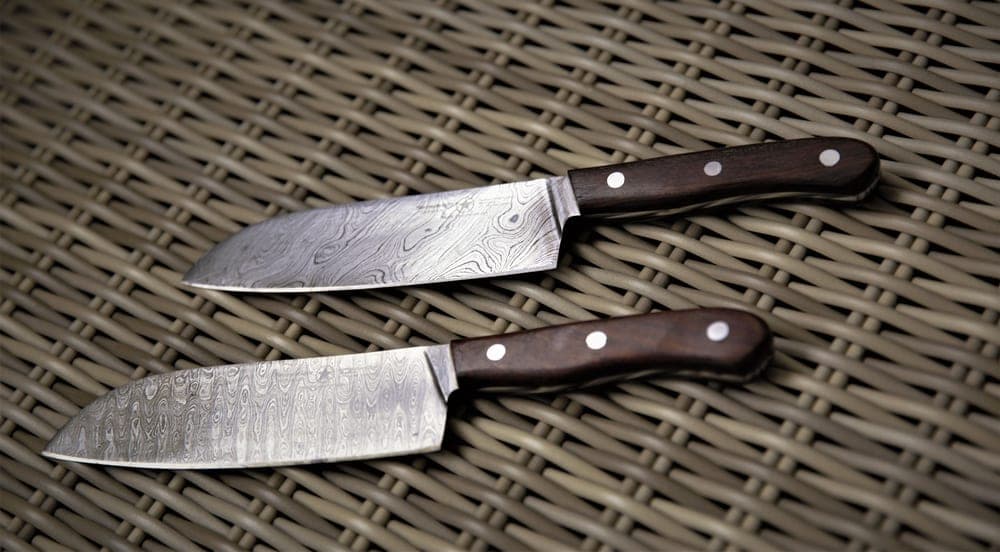
What this is based on: published manufacturer specifications and retailer listings, cited on each product; the weight of professional and owner reviews across multiple retailers; and hands-on experience sharpening and cooking with knives of this type. We have not individually tested every model listed, we do not run instrumented sharpness testing, and we do not claim a test we did not run.
Quick picks
| # | Product | Best for | Score | Price |
|---|---|---|---|---|
| 1 | 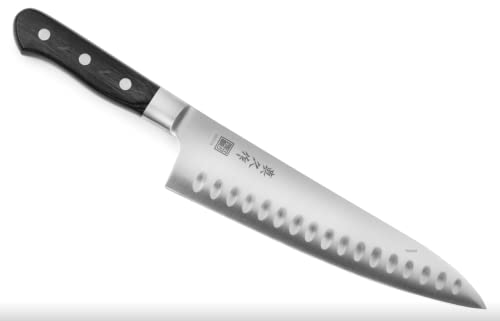 MAC Professional 8" Chef's Knife with Dimples (MTH-80) | The one-knife kitchen | 8.8 | |
| 2 | 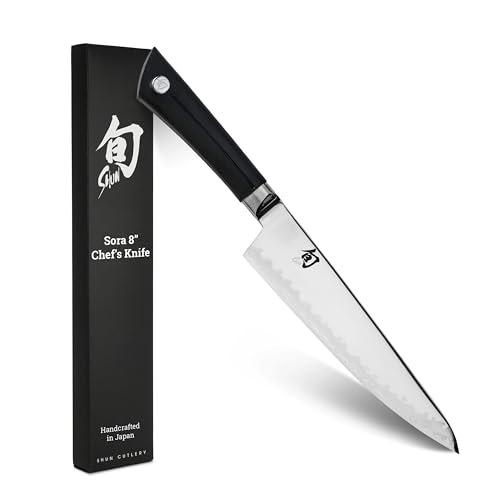 Shun Sora 8" Chef's Knife (VB0706) | A real Japanese edge under $100 | 8.0 | |
| 3 | 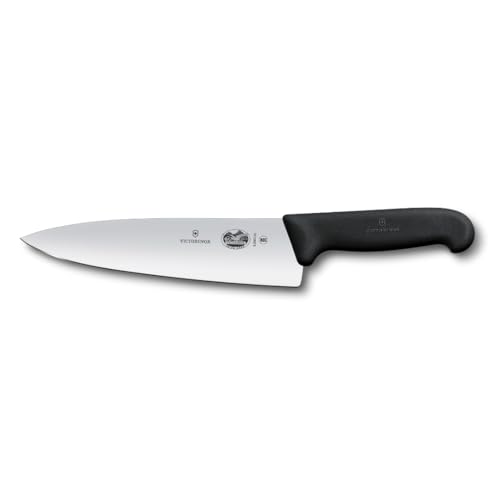 Victorinox Fibrox Pro 8" Chef's Knife | A beater, or a sanity check before you spend more | 7.0 | |
| 4 | 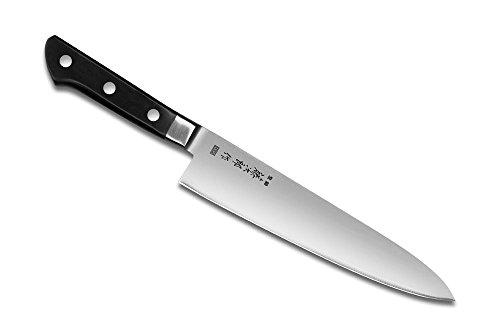 Tojiro DP Gyuto 210mm (F-808) | First Japanese knife | 8.6 | |
| 5 | 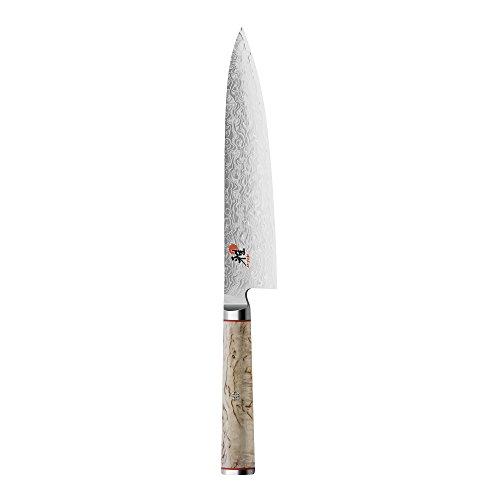 Miyabi Birchwood SG2 8" Chef's Knife | Someone who already sharpens their own | 8.6 |
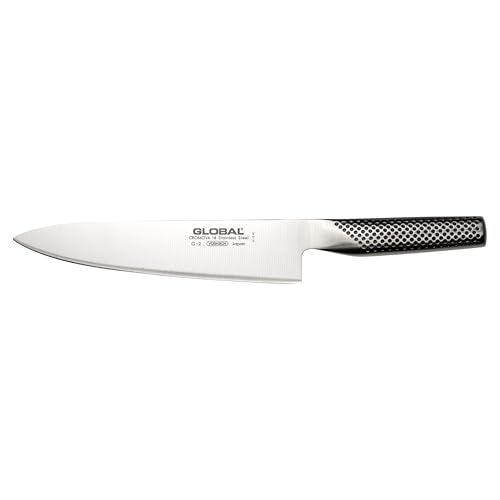
Start with what the Global G-2 actually is, because it is a better knife than "alternatives" pages usually allow. One piece of stainless, 8 inches of blade, a 2 mm spine, a 45 mm blade height, a 10 to 15 degree double bevel and 6 oz on Global's published figure. There are no rivets and no bolster, so there is nowhere for food to lodge, and the hollow dimpled handle is weighted so the knife balances where your pinch grip sits. Over two hours of prep it is the least tiring knife in our registry bar one.
The four reasons people look elsewhere
None of them is that the knife is bad. They are all consequences of specific published choices, and each one points at a different replacement.
- The handle is slick when wet. Smooth dimpled steel in an oily hand needs more grip force than contoured wood or textured polymer. This is the single most common reason people shop away, and it is a shape preference rather than a flaw.
- 56 to 58 HRC is soft for a Japanese knife. It is the same hardness band as a Wusthof. Against a 61 HRC blade you will hone more often.
- CROMOVA 18 does not take as fine a finishing edge as VG-10. If you have started sharpening on stones and want to see what a 6,000-grit finish can do, the steel is the limiting factor rather than your technique.
- The price sits above the cheapest route into harder steel. There are knives below the G-2 with a published VG10 cutting core.
Which alternative matches which complaint
| If your reason is… | Buy | What changes |
|---|---|---|
| it goes dull too fast | MAC MTH-80 | 61 HRC against 56-58; 6.8 oz against 6 oz |
| the handle is slippery | Shun Sora, or Victorinox Fibrox Pro | Textured polymer and Fibrox respectively; both grip wet |
| it costs too much | Victorinox Fibrox Pro | Lighter at 5.6 oz, far cheaper, 56 HRC stamped steel |
| you want a thinner blade | Tojiro DP Gyuto 210 mm | 1.9 mm spine against 2 mm, VG-10 core at 59-60 HRC |
| you want the finest edge available | Miyabi Birchwood SG2 | 63 HRC powder steel, 6.2 oz, and much less forgiving |
| you want lighter than a Global | Only the Victorinox Fibrox Pro | 5.6 oz is the one published figure here below 6 oz |
Nothing here is much lighter, and that matters
If weight is the reason you bought the Global in the first place, read this part before you replace it. Of the published weights in our registry, exactly one 8-inch chef's knife comes in under the G-2's 6 oz, and it is the Victorinox Fibrox Pro at 5.6 oz. The MAC is 6.8 oz, the Miyabi 6.2 oz, the Tojiro approximately 187 g, and the German benchmarks are 9.3 oz.
So the honest framing is this: you can beat a Global on hardness, on finishing edge, on grip security and on price, but you cannot really beat it on mass without dropping to a soft stamped knife. That is a genuine strength and it is why the G-2 keeps appearing on our lightweight chef's knives page rather than only on this one.
Three things to try before you buy anything
Sharpen it properly. Soft steel is the easiest thing to sharpen and a 10 to 15 degree bevel is good geometry. If "it feels wrong" really means "it feels dull", a stone solves it - see the Global sharpening angle.
Hone it weekly. At 56 to 58 HRC the edge rolls before it wears. A fine ceramic rod puts it back in thirty seconds, which is the actual fix for the retention complaint most weeks.
Dry your hand, not just the knife. The grip problem is usually oil rather than water. A towel tucked into the apron string removes most of it, for free.
How these were chosen
Every alternative is in our product registry, currently sold to US buyers, and had to beat the Global G-2 on at least one of the four axes above by a figure its maker or a specialist retailer publishes - hardness, spine thickness, weight, handle material or price. We have not ranked anything here on feel we cannot source, and we have not claimed a Global is a poor knife, because the published specification does not support that.
Scores are our editorial judgment on edge and steel, geometry, handle and value, on the rubric at our methodology page. They are not measurements, tests or awards. Prices come from the live listing for each pick with the date they were read beside the button; a listing with no live offer shows that rather than a number we cannot stand behind.
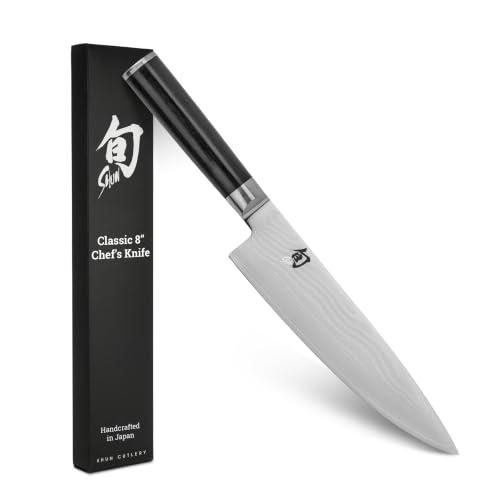
For head-to-head detail rather than a shortlist, Shun against Global, Tojiro against Global and MAC against Global each take one rival and put the published figures side by side.
The picks in detail
#1 · The one-knife kitchen
MAC Professional 8" Chef's Knife with Dimples (MTH-80)
The knife that wins the most side-by-side tests and asks the least of you. Thin, light, 61 HRC, and forgiving enough that a mediocre sharpening job still cuts well.
What it does well
- 6.8 oz with a 2.5 mm spine — genuinely light in the hand over a long prep session
- 15 degrees per side from the factory, which is the angle you will maintain anyway
- 25-year warranty and a reputation for consistency unit to unit
Where it gives way
- Costs meaningfully more than a Tojiro DP for a similar hardness
- Mono-steel, so no cladding to protect the core if you drop it edge-first
- The dimples do less for release than the marketing implies
Skip it if: Anyone chasing maximum edge retention. At 61 HRC in a mono-steel it will not out-last a powder-steel blade, and the dimples are cosmetic more often than useful.
| Blade length | 8 in (approx. 200 mm) |
|---|---|
| Steel | Sub-zero tempered high-carbon molybdenum vanadium alloy |
| Hardness | 61 HRC |
| Edge angle | 15 degrees per side (double bevel) |
| Blade height | 1 7/8 in |
| Spine at heel | 2.5 mm |
| Weight | 6.8 oz |
| Handle | Riveted Pakkawood with integrated bolster |
#2 · A real Japanese edge under $100
Shun Sora 8" Chef's Knife (VB0706)
The cheapest genuine VG10 edge we can find, at the same hand-sharpened 16 degrees as a Shun Classic. The saving comes from a braze-welded 420J blade upper and a polymer handle, not from the part that cuts.
What it does well
- A VG10 san mai cutting core at the same hand-sharpened 16 degrees per side as the Shun Classic, for well under half the money
- Made in Japan, and the part of the blade that touches food is the same idea as the premium lines
- The polymer handle is textured and grippy wet, which the Classic's pakkawood is not
Where it gives way
- Shun publishes no hardness figure and no weight for the Sora, so you cannot check it against the Classic on either
- The braze-welded join between the VG10 edge section and the 420J upper is visible and is the thing people either ignore or dislike
- Textured polymer handle - durable and entirely charmless next to a pakkawood or an octagonal wa handle
Skip it if: Anyone buying a Shun for the look. The handle is textured polymer, the blade upper is plain 420J, and the join between the two sections is visible.
| Blade length | 8 in (20.3 cm) |
|---|---|
| Cutting edge | VG10 san mai core, one layer of stainless cladding each side |
| Blade upper | Japanese 420J stainless |
| Construction | Composite Blade - the two sections are laser cut, fitted and braze welded |
| Factory edge | 16 degrees per side (32 degrees inclusive), hand sharpened |
| Hardness | Not published |
| Weight | Not published |
| Handle | Textured PP/TPE polymer blend |
| Origin | Handcrafted in Japan |
#3 · A beater, or a sanity check before you spend more
Victorinox Fibrox Pro 8" Chef's Knife
Not a Japanese knife and not pretending to be. It is the control sample: if your cooking does not improve after upgrading from this, the knife was never the problem.
What it does well
- Stamped, light and genuinely non-slip when wet
- Soft enough that a pull-through sharpener will not destroy it
- Costs a fraction of everything else here
Where it gives way
- 56 HRC means frequent honing and frequent sharpening
- 18-degree edge is blunt by Japanese standards
- No bolster, no heft, no presence — it feels like a tool because it is one
Skip it if: This site's usual reader. At 56 HRC with an 18-degree edge it is a softer, blunter tool than anything else on this page.
| Blade length | 8 in |
|---|---|
| Steel | X55CrMo14 high-carbon stainless |
| Hardness | 56 HRC |
| Edge angle | 18 degrees |
| Weight | 5.6 oz |
| Handle | Fibrox Pro thermoplastic elastomer, no bolster |
#4 · First Japanese knife
Tojiro DP Gyuto 210mm (F-808)
The default answer to 'my first real Japanese knife'. VG-10 at around 60 HRC in a plain three-layer build, at a price that makes the inevitable first chip survivable.
What it does well
- VG-10 at 59-60 HRC takes a genuinely fine edge and holds it far longer than a German knife at 56-58
- 1.9 mm spine and 43 mm heel make it thin behind the edge without being fragile
- Cheap enough that learning to sharpen on it is not frightening
Where it gives way
- Handle finish is functional and unlovely; some units need the bolster easing with sandpaper
- Stainless cladding is soft and scratches readily
- Nothing about the fit and finish will impress anyone
Skip it if: Anyone who wants the knife to be beautiful. The handle is a workmanlike composite with a stainless bolster and nothing about it is charming.
| Blade length | 210 mm (8.3 in) |
|---|---|
| Steel | VG-10 core, 13-chrome stainless cladding (san mai) |
| Hardness | 59-60 HRC |
| Heel height | 43 mm |
| Spine at heel | 1.9 mm |
| Weight | approx. 187 g |
| Handle | Western, laminated composite wood with stainless bolster |
#5 · Someone who already sharpens their own
Miyabi Birchwood SG2 8" Chef's Knife
SG2 powder steel at 63 HRC behind a 9.5-to-12-degree edge and 101 layers of Damascus. The sharpest knife here out of the box, and the least forgiving.
What it does well
- 63 HRC SG2 holds an edge appreciably longer than VG-10 at 60 — commonly cited as roughly twice as long
- A sub-12-degree factory edge is genuinely rare and it shows on the first cut
- 178 g with a 2.1 mm spine — light and thin for a Damascus-clad knife
Where it gives way
- 63 HRC and a very acute edge is a chipping risk on any hard board
- Powder steel is slow on a soft clay stone; you want a hard stone or diamond
- Costs several times what a Tojiro DP does
Skip it if: A first Japanese knife. At 63 HRC with an edge under 12 degrees per side it will chip on a hard board or a careless twist, and it is slow to sharpen on a soft stone.
| Blade length | 8 in |
|---|---|
| Steel | SG2 micro-carbide powder steel core, 50 Damascus layers each side |
| Hardness | 63 HRC, Cryodur ice-hardened |
| Edge angle | approx. 9.5-12 degrees per side, double bevel |
| Blade height | 1.75 in |
| Spine at heel | 2.1 mm |
| Weight | 6.2 oz (178 g) |
| Handle | Karelian birch with stainless bolster and mosaic pin |
| Origin | Seki, Japan |
Common questions
What is the best alternative to a Global knife?
Is there a knife like a Global but cheaper?
Why do people dislike the Global handle?
Is Global soft for a Japanese knife?
Should I just sharpen my Global instead?
Sources
Read next
Brands
Global G-2 Review
Brands
Shun vs Global
Brands
Tojiro vs Global
Brands
MAC vs Global Knives
Japanese Knives
Best Lightweight Chef Knives
Japanese Knives