Japanese Knives
Best Lightweight Chef Knives
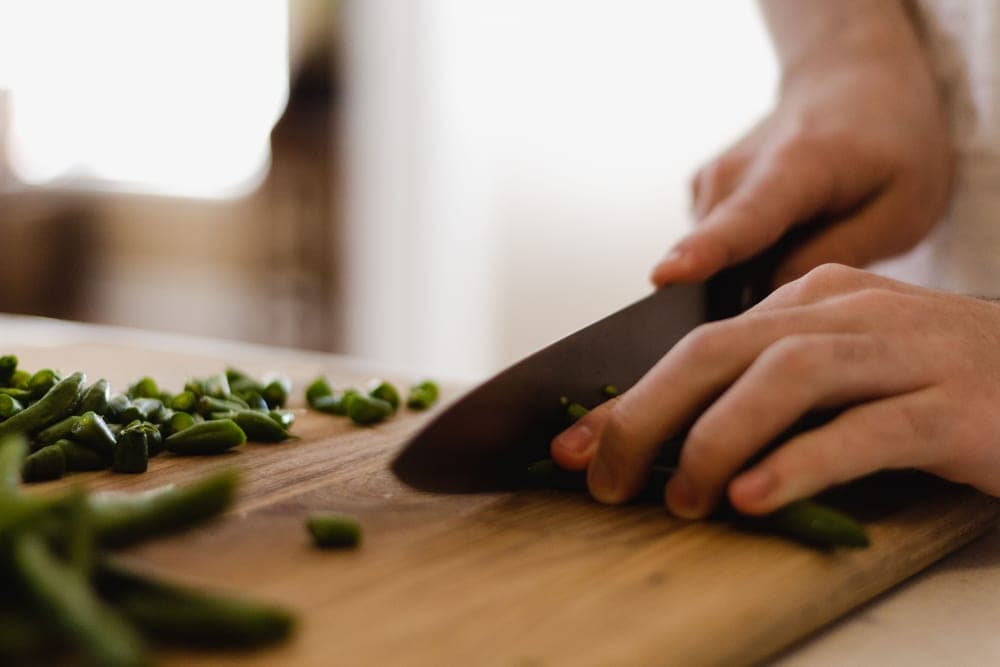
What this is based on: published manufacturer specifications and retailer listings, cited on each product; the weight of professional and owner reviews across multiple retailers; and hands-on experience sharpening and cooking with knives of this type. We have not individually tested every model listed, we do not run instrumented sharpness testing, and we do not claim a test we did not run.
Quick picks
| # | Product | Best for | Score | Price |
|---|---|---|---|---|
| 1 | 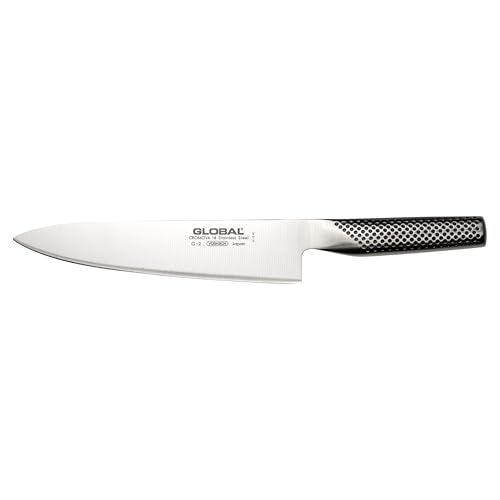 Global G-2 8" Chef's Knife | Cooks who want the lightest knife in the drawer | 7.6 | |
| 2 | 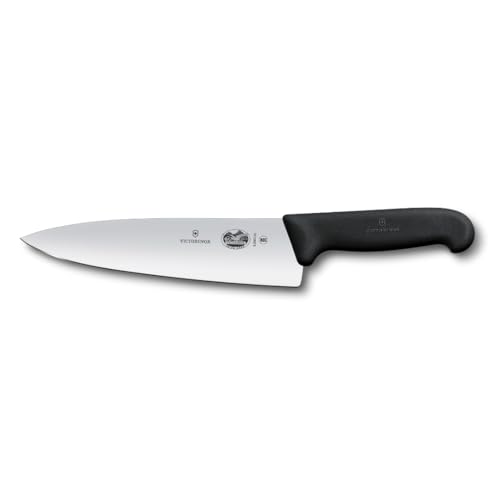 Victorinox Fibrox Pro 8" Chef's Knife | A beater, or a sanity check before you spend more | 7.0 | |
| 3 | 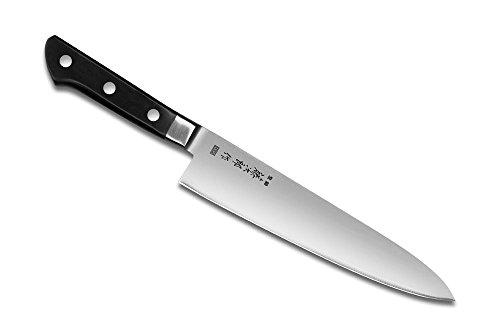 Tojiro DP Gyuto 210mm (F-808) | First Japanese knife | 8.6 | |
| 4 | 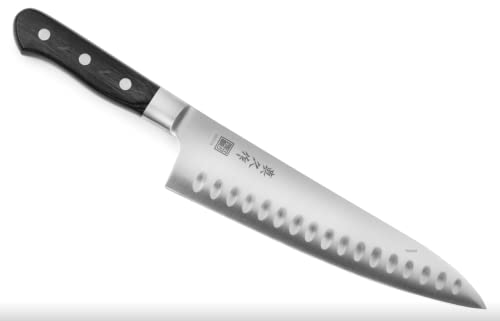 MAC Professional 8" Chef's Knife with Dimples (MTH-80) | The one-knife kitchen | 8.8 | |
| 5 | 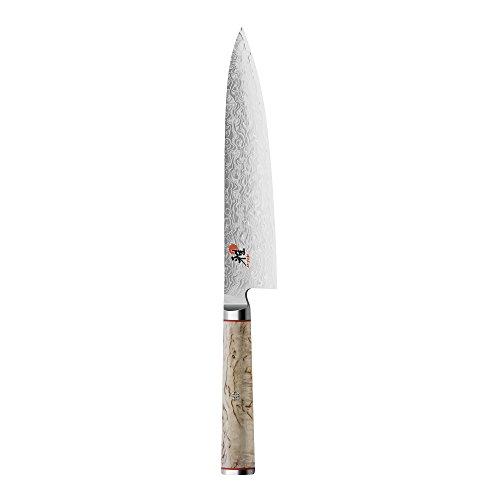 Miyabi Birchwood SG2 8" Chef's Knife | Someone who already sharpens their own | 8.6 |
Weight is the most measurable thing about a kitchen knife and the least discussed. Every figure on this page is a published manufacturer or specialist-retailer number, not our own scale, and the spread is larger than most buyers expect: 5.6 oz to 6.8 oz here, against 9.3 oz for the two German benchmarks in our registry.
What the weight actually buys you
A heavy knife is not badly designed. The German pattern uses mass deliberately - a 9.3 oz blade with a roughly 3 mm spine gets through a sweet potato because it is heavy, and the full bolster puts that mass where your hand is. The cost arrives at the forty-minute mark, when your forearm has been lifting an extra three ounces a few hundred times.
A light Japanese knife replaces mass with thinness. The Tojiro DP gyuto here is approximately 187 g with a 1.9 mm spine: it separates food instead of splitting it, so you need less force even though you have less help from gravity. That is the whole trade, and it is why Japanese against German knives is really a question about technique rather than quality.
Which of these is for you
| Pick | Published weight | The trade |
|---|---|---|
| Victorinox Fibrox Pro 8 in | 5.6 oz | 56 HRC - sharpens easily, dulls soonest |
| Global G-2 | 6 oz (170 g) | Slim all-steel handle; CROMOVA 18 at 56-58 HRC |
| Miyabi Birchwood SG2 | 6.2 oz (178 g) | 63 HRC is the hardest here, and the least forgiving |
| Tojiro DP Gyuto 210 mm | approx. 187 g | Plain three-layer finish, basic handle |
| MAC Professional MTH-80 | 6.8 oz | Heaviest here, and the best-balanced of the five |
| Wusthof Classic 8 in (reference) | 9.3 oz (265 g) | The knife these are being compared against |
Mass is not the only thing your wrist feels
Two knives of identical weight can feel completely different, and the reason is balance and grip security. The Global G-2 puts its mass in a hollow steel handle that is weighted to balance at the bolster, which makes 6 oz feel controlled rather than whippy. The same 6 oz in a blade-heavy knife with a light plastic handle feels like it is falling out of your hand, and you compensate by gripping harder - which is more tiring than the extra ounce would have been.
Grip security is the part people underestimate. A slim, round, wet steel handle needs more clamping force than a textured polymer one, and clamping force is fatigue. If tired hands are the actual problem rather than tired forearms, knives for arthritis ranks the same field on handle rather than on mass, and knives for small hands covers the sizing question that usually comes with it.
Three ways to buy the wrong light knife
Chasing the lowest number. The lightest knife here is the cheapest and the softest. If you want light and long-lasting, the money goes into hardness, not into shaving grams.
Buying light and then prying with it. A thin 63 HRC blade chips where a 9.3 oz German knife would roll. Keep something heavy for bone and squash - see why is my knife chipping.
Ignoring the handle because the blade is light. A light blade on a slippery handle is harder work than a heavier blade you can hold loosely.
How these were chosen
Every pick is an 8-inch or 210 mm chef's knife, currently sold to US buyers, with a weight figure published by the maker or by a specialist retailer we could cite. That rule excluded several knives in our registry that would otherwise belong here: the Dalstrong Shogun, the Cangshan KITA, the Henckels Classic and the Shun Sora all publish no weight at all, so we cannot rank them on the one measure this page is about.
We score each on edge and steel, geometry, handle and value, on the rubric at our methodology page - editorial judgment, not measurement, and we have weighed nothing ourselves. Prices come from the live listing for each pick with the date they were read beside the button; a listing with no live offer shows that rather than an old figure.
If length rather than weight is the variable you are actually deciding, the best 8-inch chef's knives covers this same size class ranked on everything except mass.
The picks in detail
#1 · Cooks who want the lightest knife in the drawer
Global G-2 8" Chef's Knife
One piece of steel, dimpled hollow handle, 170 g. Nothing else feels like it — which is exactly why you should hold one before you buy.
What it does well
- 170 g and perfectly balanced — the least tiring knife here over two hours of prep
- One-piece construction with no rivets or bolster to trap food
- 2 mm spine means it is thin behind the edge out of the box
Where it gives way
- 56-58 HRC is soft for a Japanese knife; expect to hone it often
- The dimpled steel handle is polarizing and slick when wet
- CROMOVA 18 does not take as fine a finishing edge as VG-10
Skip it if: Anyone with wet hands and no patience: the smooth steel handle gets slippery, and at 56-58 HRC it will not hold an edge like a 61 HRC blade.
| Blade length | 8 in (200 mm) |
|---|---|
| Steel | CROMOVA 18 stainless |
| Hardness | 56-58 HRC |
| Edge angle | 10-15 degrees, double bevel |
| Blade height | 1.7 in (45 mm) |
| Spine | 2 mm |
| Weight | 6 oz (170 g) |
#2 · A beater, or a sanity check before you spend more
Victorinox Fibrox Pro 8" Chef's Knife
Not a Japanese knife and not pretending to be. It is the control sample: if your cooking does not improve after upgrading from this, the knife was never the problem.
What it does well
- Stamped, light and genuinely non-slip when wet
- Soft enough that a pull-through sharpener will not destroy it
- Costs a fraction of everything else here
Where it gives way
- 56 HRC means frequent honing and frequent sharpening
- 18-degree edge is blunt by Japanese standards
- No bolster, no heft, no presence — it feels like a tool because it is one
Skip it if: This site's usual reader. At 56 HRC with an 18-degree edge it is a softer, blunter tool than anything else on this page.
| Blade length | 8 in |
|---|---|
| Steel | X55CrMo14 high-carbon stainless |
| Hardness | 56 HRC |
| Edge angle | 18 degrees |
| Weight | 5.6 oz |
| Handle | Fibrox Pro thermoplastic elastomer, no bolster |
#3 · First Japanese knife
Tojiro DP Gyuto 210mm (F-808)
The default answer to 'my first real Japanese knife'. VG-10 at around 60 HRC in a plain three-layer build, at a price that makes the inevitable first chip survivable.
What it does well
- VG-10 at 59-60 HRC takes a genuinely fine edge and holds it far longer than a German knife at 56-58
- 1.9 mm spine and 43 mm heel make it thin behind the edge without being fragile
- Cheap enough that learning to sharpen on it is not frightening
Where it gives way
- Handle finish is functional and unlovely; some units need the bolster easing with sandpaper
- Stainless cladding is soft and scratches readily
- Nothing about the fit and finish will impress anyone
Skip it if: Anyone who wants the knife to be beautiful. The handle is a workmanlike composite with a stainless bolster and nothing about it is charming.
| Blade length | 210 mm (8.3 in) |
|---|---|
| Steel | VG-10 core, 13-chrome stainless cladding (san mai) |
| Hardness | 59-60 HRC |
| Heel height | 43 mm |
| Spine at heel | 1.9 mm |
| Weight | approx. 187 g |
| Handle | Western, laminated composite wood with stainless bolster |
#4 · The one-knife kitchen
MAC Professional 8" Chef's Knife with Dimples (MTH-80)
The knife that wins the most side-by-side tests and asks the least of you. Thin, light, 61 HRC, and forgiving enough that a mediocre sharpening job still cuts well.
What it does well
- 6.8 oz with a 2.5 mm spine — genuinely light in the hand over a long prep session
- 15 degrees per side from the factory, which is the angle you will maintain anyway
- 25-year warranty and a reputation for consistency unit to unit
Where it gives way
- Costs meaningfully more than a Tojiro DP for a similar hardness
- Mono-steel, so no cladding to protect the core if you drop it edge-first
- The dimples do less for release than the marketing implies
Skip it if: Anyone chasing maximum edge retention. At 61 HRC in a mono-steel it will not out-last a powder-steel blade, and the dimples are cosmetic more often than useful.
| Blade length | 8 in (approx. 200 mm) |
|---|---|
| Steel | Sub-zero tempered high-carbon molybdenum vanadium alloy |
| Hardness | 61 HRC |
| Edge angle | 15 degrees per side (double bevel) |
| Blade height | 1 7/8 in |
| Spine at heel | 2.5 mm |
| Weight | 6.8 oz |
| Handle | Riveted Pakkawood with integrated bolster |
#5 · Someone who already sharpens their own
Miyabi Birchwood SG2 8" Chef's Knife
SG2 powder steel at 63 HRC behind a 9.5-to-12-degree edge and 101 layers of Damascus. The sharpest knife here out of the box, and the least forgiving.
What it does well
- 63 HRC SG2 holds an edge appreciably longer than VG-10 at 60 — commonly cited as roughly twice as long
- A sub-12-degree factory edge is genuinely rare and it shows on the first cut
- 178 g with a 2.1 mm spine — light and thin for a Damascus-clad knife
Where it gives way
- 63 HRC and a very acute edge is a chipping risk on any hard board
- Powder steel is slow on a soft clay stone; you want a hard stone or diamond
- Costs several times what a Tojiro DP does
Skip it if: A first Japanese knife. At 63 HRC with an edge under 12 degrees per side it will chip on a hard board or a careless twist, and it is slow to sharpen on a soft stone.
| Blade length | 8 in |
|---|---|
| Steel | SG2 micro-carbide powder steel core, 50 Damascus layers each side |
| Hardness | 63 HRC, Cryodur ice-hardened |
| Edge angle | approx. 9.5-12 degrees per side, double bevel |
| Blade height | 1.75 in |
| Spine at heel | 2.1 mm |
| Weight | 6.2 oz (178 g) |
| Handle | Karelian birch with stainless bolster and mosaic pin |
| Origin | Seki, Japan |
Common questions
Does a lighter chef's knife cut worse?
How light is light for an 8-inch chef's knife?
Is the lightest knife the best one to buy?
Are lightweight knives better for arthritis or wrist pain?
Why does weight vary so much between brands?
Sources
Read next
Japanese Knives
Best Kitchen Knives for Arthritis
Japanese Knives
Best Chef Knives for Small Hands
Japanese Knives
Best 8-Inch Chef Knives
Japanese Knives
Japanese vs German Knives
Brands
Global G-2 Review
Japanese Knives