Japanese Knives
Best Kitchen Knives for Arthritis
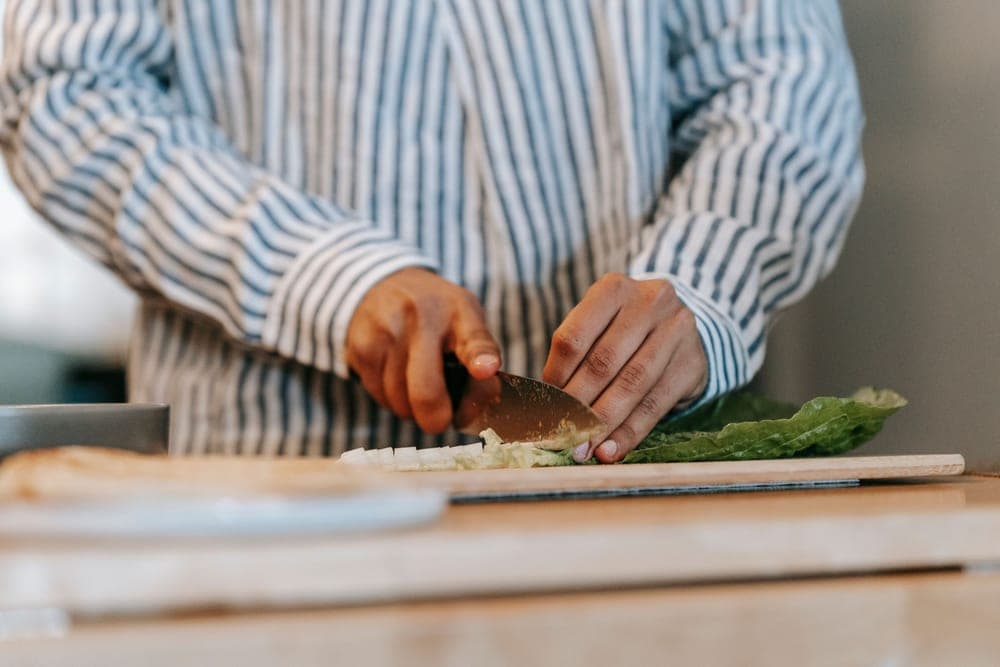
What this is based on: published manufacturer specifications and retailer listings, cited on each product; the weight of professional and owner reviews across multiple retailers; and hands-on experience sharpening and cooking with knives of this type. We have not individually tested every model listed, we do not run instrumented sharpness testing, and we do not claim a test we did not run.
Quick picks
| # | Product | Best for | Score | Price |
|---|---|---|---|---|
| 1 | 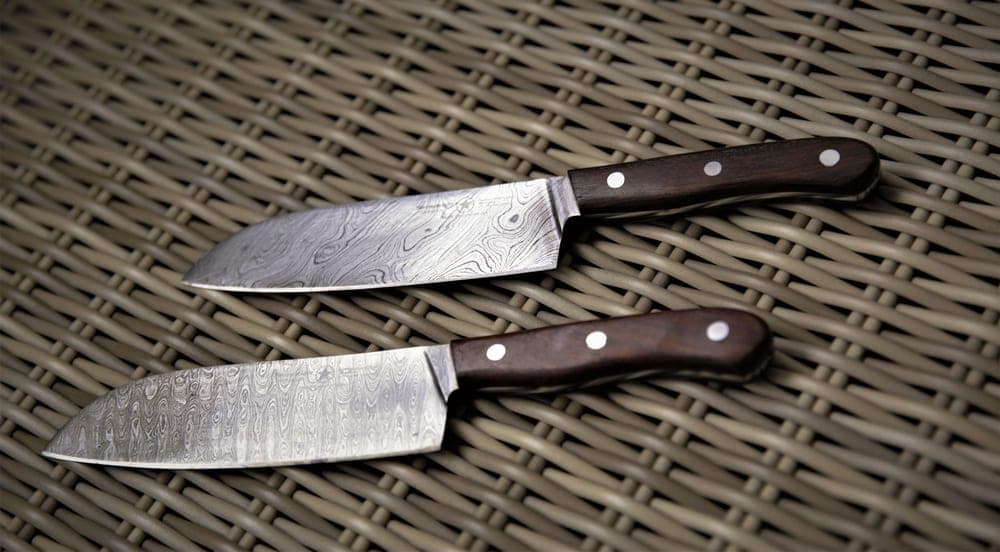 Global G-2 8" Chef's Knife | Cooks who want the lightest knife in the drawer | 7.6 | |
| 2 | 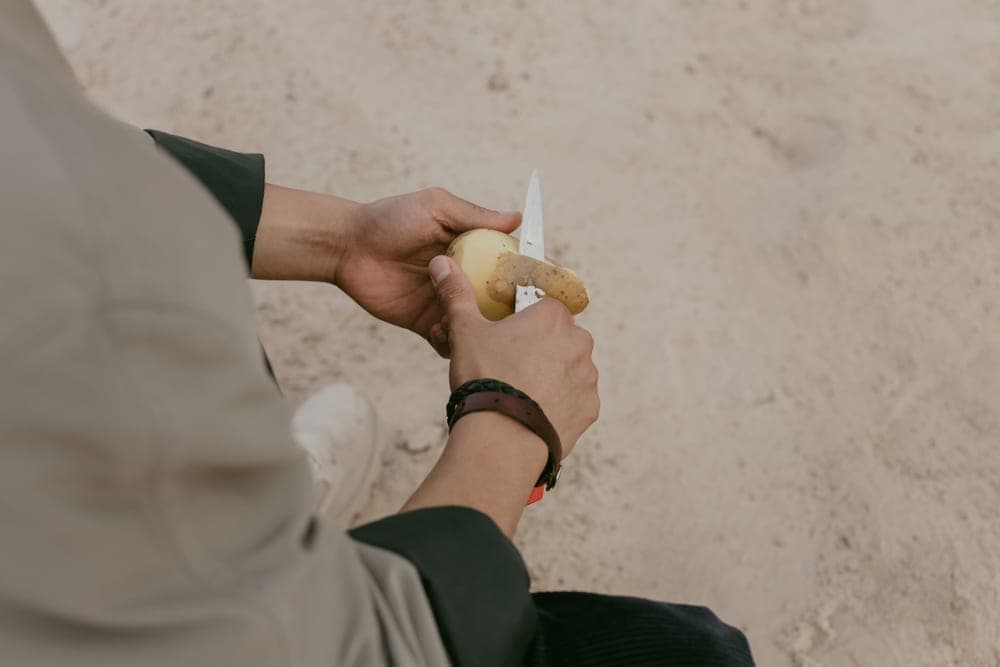 Tojiro DP Santoku 170mm (F-503) | A second Japanese knife on a budget | 8.4 | |
| 3 | 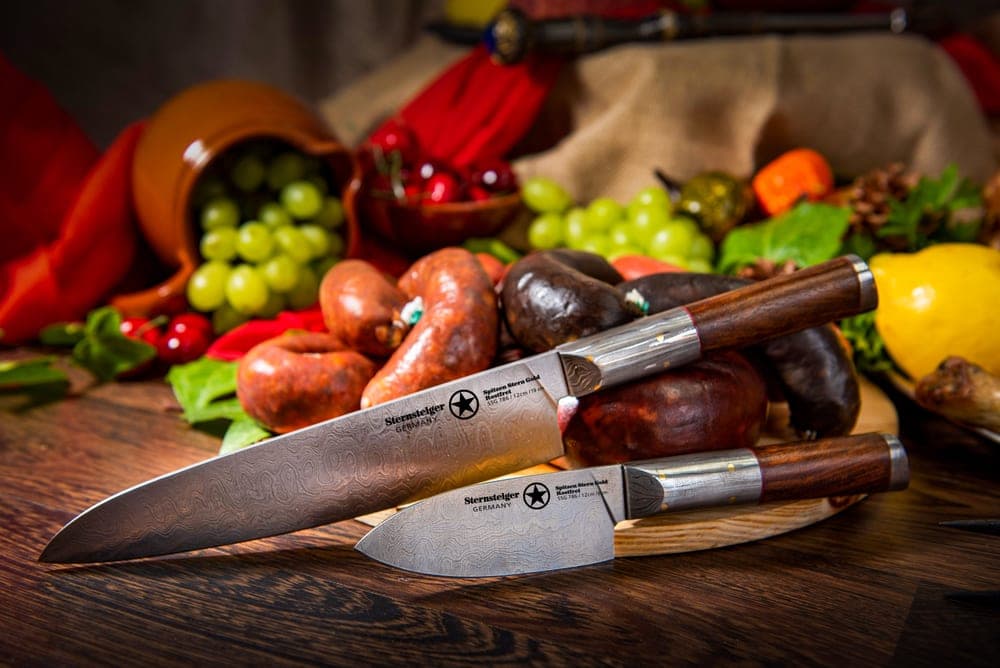 Victorinox Fibrox Pro 8" Chef's Knife | A beater, or a sanity check before you spend more | 7.0 | |
| 4 |  MAC Professional 6.5" Santoku (MSK-65) | Precision vegetable work | 8.5 |
Two things make knife work painful with arthritis, and neither is the blade steel. The first is sustained grip: a pinch grip held for twenty minutes inflames the thumb joint far more than the cutting itself. The second is force, because a dull or thick blade has to be pushed through food, and every push travels back into your wrist. Choose for weight and sharpness and both problems shrink.
What to look for
- Weight, in grams, not adjectives. The spread here is large: 170 g for the Global against 265 g for a Wusthof Classic. That is a 56 percent difference in what your wrist supports all session. Under 200 g is the band to shop in.
- A thin blade, so sharpness substitutes for force. A 1.9 mm spine parts a carrot; a 3 mm spine has to shove it apart. This is the whole reason Japanese geometry suits painful hands — it converts a pressing job into a sliding one.
- A handle you do not have to clench. Grip texture matters more than shape. A handle that cannot slip lets you hold it loosely; a slippery one makes you squeeze constantly as insurance.
- Shorter, if reach is the issue. A 170 mm santoku keeps your hand close to the food and reduces the leverage the blade applies to your wrist. The trade is less knife for a cabbage, which is a fair swap.
Weight and grip, side by side
| Knife | Weight | Length | Handle | Hardness |
|---|---|---|---|---|
| Global G-2 | 6 oz (170 g) | 200 mm | One-piece dimpled stainless | 56-58 HRC |
| Tojiro DP Santoku F-503 | Not published | 170 mm | Western composite with bolster | 59-61 HRC |
| Victorinox Fibrox Pro 8 in | 5.6 oz | 8 in | Fibrox thermoplastic, no bolster | 56 HRC |
| MAC Professional MSK-65 | Not published | 6.5 in | Pakkawood with bolster | approx. 61 HRC |
The Victorinox is lighter on paper than the Global, but much of the Global's 6 oz sits in the handle rather than the blade, which makes it feel more balanced and less tip-heavy in a loose grip. Weight alone does not settle it. How we score and source.
Which one to buy
- Pain is in the thumb and index joint. Global G-2. The seamless handle has no bolster edge to press against the first knuckle, which is where a pinch grip hurts first. Shun versus Global covers the handle difference in detail.
- Your hands are weak rather than sore. Tojiro DP santoku. Shorter blade, less leverage, VG-10 at 59 to 61 HRC so it stays sharp longer between the sharpenings that are themselves hard on your hands.
- You lose grip when your hands are wet. Victorinox Fibrox Pro. The textured thermoplastic is the grippiest handle on this site at any price, and the soft 56 HRC edge comes back with a few passes on a rod.
- You want the least effort per cut. MAC MSK-65. A 15-degree factory edge on a thin 6.5 inch blade is as close to cutting without pressure as this list gets.
Three changes that help more than a new knife
Keep it genuinely sharp. Dullness is the hidden cost here, because a dull knife is a knife you have to lean on. If holding a blade steady on a whetstone is painful, that is an argument for a rolling sharpener, which sets the angle mechanically and finishes a side in about fifteen seconds, or an electric sharpener, which asks only that you pull the knife through slowly.
Fix the board. A board that slides makes you grip harder with both hands. A heavy rubber board with a damp towel under it stops moving entirely, and rubber is also the kindest surface to a thin edge — so the same change reduces clenching and keeps the knife sharper. Our board picks explain why.
Raise or lower the work. Counter height decides wrist angle, and a bad wrist angle turns a mild ache into a sharp one. Most kitchens are built for a cook around 5 feet 4 inches; if you are much taller or shorter, the fix is a thicker board or a lower surface rather than a different knife. The same principle applies to sharpening, which we cover in sharpening setup for tall cooks.
Skip knife sets, heavy forged German blades, bolsters that stop short of the heel, and anything marketed as "ergonomic" without publishing a weight. Also skip Shun's D-shaped Classic handle for now — it is comfortable, but it assumes one hand position, and sore joints need to be able to shift.
The verdict
Global G-2 if you want one knife and the lightest feel available. Tojiro DP santoku if a shorter blade is easier to control and budget matters. Victorinox Fibrox Pro if grip security is the problem. Then spend the next twenty dollars on a non-slip board and a sharpener you can use without pain, because a light knife that is dull is still a knife you have to push. For hand-size fit rather than joint pain, start with chef knives for small hands.
The picks in detail
#1 · Cooks who want the lightest knife in the drawer
Global G-2 8" Chef's Knife
One piece of steel, dimpled hollow handle, 170 g. Nothing else feels like it — which is exactly why you should hold one before you buy.
What it does well
- 170 g and perfectly balanced — the least tiring knife here over two hours of prep
- One-piece construction with no rivets or bolster to trap food
- 2 mm spine means it is thin behind the edge out of the box
Where it gives way
- 56-58 HRC is soft for a Japanese knife; expect to hone it often
- The dimpled steel handle is polarizing and slick when wet
- CROMOVA 18 does not take as fine a finishing edge as VG-10
Skip it if: Anyone with wet hands and no patience: the smooth steel handle gets slippery, and at 56-58 HRC it will not hold an edge like a 61 HRC blade.
| Blade length | 8 in (200 mm) |
|---|---|
| Steel | CROMOVA 18 stainless |
| Hardness | 56-58 HRC |
| Edge angle | 10-15 degrees, double bevel |
| Blade height | 1.7 in (45 mm) |
| Spine | 2 mm |
| Weight | 6 oz (170 g) |
#2 · A second Japanese knife on a budget
Tojiro DP Santoku 170mm (F-503)
The gyuto's sibling: same VG-10 san mai, same price bracket, shorter and flatter. The cheapest honest route into a Japanese santoku.
What it does well
- Same steel and geometry philosophy as the F-808 gyuto
- Light and easy to control for shorter cooks
- Inexpensive enough to learn stone work on
Where it gives way
- Plain finish, same as the rest of the DP line
- 170 mm limits you on anything large
- Soft cladding scratches quickly
Skip it if: Anyone who already has a 210 mm gyuto and a small board — the overlap is large.
| Blade length | 170 mm |
|---|---|
| Steel | VG-10 core, three-layer stainless cladding |
| Hardness | 59-61 HRC |
| Handle | Western composite wood with bolster |
#3 · A beater, or a sanity check before you spend more
Victorinox Fibrox Pro 8" Chef's Knife
Not a Japanese knife and not pretending to be. It is the control sample: if your cooking does not improve after upgrading from this, the knife was never the problem.
What it does well
- Stamped, light and genuinely non-slip when wet
- Soft enough that a pull-through sharpener will not destroy it
- Costs a fraction of everything else here
Where it gives way
- 56 HRC means frequent honing and frequent sharpening
- 18-degree edge is blunt by Japanese standards
- No bolster, no heft, no presence — it feels like a tool because it is one
Skip it if: This site's usual reader. At 56 HRC with an 18-degree edge it is a softer, blunter tool than anything else on this page.
| Blade length | 8 in |
|---|---|
| Steel | X55CrMo14 high-carbon stainless |
| Hardness | 56 HRC |
| Edge angle | 18 degrees |
| Weight | 5.6 oz |
| Handle | Fibrox Pro thermoplastic elastomer, no bolster |
#4 · Precision vegetable work
MAC Professional 6.5" Santoku (MSK-65)
The MTH-80's logic in a santoku: thin, light, 15 degrees per side, and consistent from unit to unit.
What it does well
- Extremely thin behind the edge for its price
- Same 15-degree factory geometry as the rest of the Professional line
- Light and neutral in the hand
Where it gives way
- Thin tip is easy to damage
- No bolster to protect your knuckles in a heavy grip
- Costs more than the Tojiro equivalent
Skip it if: Heavy jobs. It is thin, and thin blades dislike bone and frozen food.
| Blade length | 6.5 in |
|---|---|
| Steel | Sub-zero tempered high-carbon molybdenum vanadium alloy |
| Hardness | approx. 61 HRC (MAC Professional line) |
| Edge angle | 15 degrees per side |
Common questions
What kitchen knife is best for arthritis?
Does a heavier knife do more of the work?
What handle shape is easiest on sore hands?
Are electric or rolling sharpeners better if gripping a stone is painful?
Sources
Read next
Japanese Knives
Best Chef Knives for Small Hands
Japanese Knives
Best Santoku Knives
Brands
Shun vs Global
Sharpeners
Best Rolling Knife Sharpeners
Sharpeners
Knife Sharpening When You Are Tall
Steel & Care