Brands
Shun vs Global
What this is based on: published manufacturer specifications and retailer listings, cited on each product; the weight of professional and owner reviews across multiple retailers; and hands-on experience sharpening and cooking with knives of this type. We have not individually tested every model listed, we do not run instrumented sharpness testing, and we do not claim a test we did not run.
Quick picks
| # | Product | Best for | Score | Price |
|---|---|---|---|---|
| 1 | 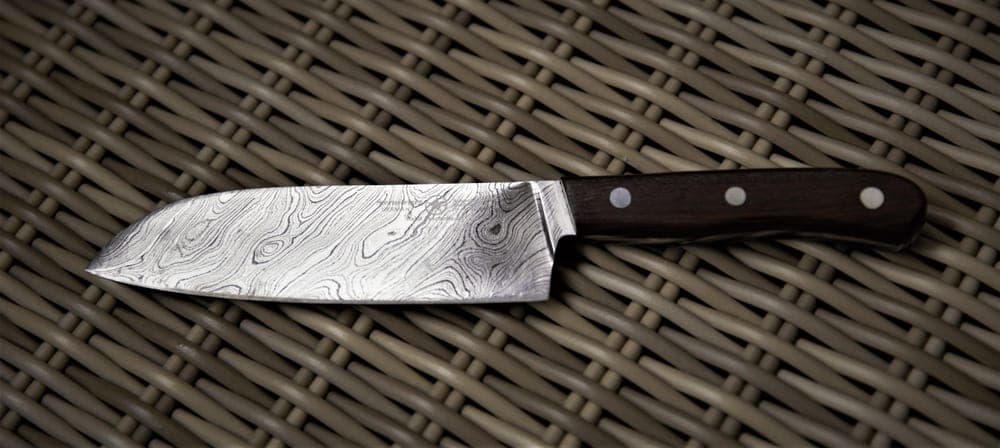 Shun Classic 8" Chef's Knife (DM0706) | A knife you want to look at | 8.3 | |
| 2 | Global G-2 8" Chef's Knife | Cooks who want the lightest knife in the drawer | 7.6 | |
| 3 |  MAC Professional 8" Chef's Knife with Dimples (MTH-80) | The one-knife kitchen | 8.8 |
| Shun Classic | Global G-2 | |
|---|---|---|
| Steel | VG-MAX core, Damascus clad | CROMOVA 18, one piece |
| Hardness | 61 HRC | 56–58 HRC |
| Factory edge | 16° per side | 10–15° per side |
| Blade length | 8 in | 8 in (200mm) |
| Blade height | Comparable | 1.7 in (45mm) |
| Spine | Thin | 2mm |
| Weight | Light | 6 oz (170g) |
| Handle | D-shaped pakkawood, riveted | Dimpled hollow stainless, sand-filled, one piece |
The handle is the whole comparison
Global's one-piece construction is genuinely unusual: blade and handle are the same piece of steel, with the hollow handle filled with sand to set the balance. There is no bolster, no rivets, no seam — which means nothing to trap food and nothing to come loose.
It also means a smooth steel handle, textured only by dimples. Wet hands and smooth steel is a combination people either get on with or do not, and there is no way to find out except by holding one. If you can, go and pick one up in a shop before ordering.
The steel gap is real
56 to 58 HRC against 61 is a meaningful difference in edge retention. Global compensates with a very acute factory grind — 10 to 15 degrees per side, which is aggressive for steel at that hardness — so it arrives extremely sharp and needs honing sooner.
That is not a flaw so much as a different maintenance rhythm. A Global wants a rod more often; a Shun wants a stone less often. How often to do each.
Who each suits
- Global: cooks who prize lightness and balance, dislike bolsters, and will hone regularly. 170g is the lightest thing here.
- Shun: cooks who want the longest interval between sharpenings and prefer a wooden handle, and who are right-handed enough for a D-shape.
The verdict
The Shun is the better knife on paper and the Global is the better knife for some hands. This is the one comparison on this site where we would tell you to go and hold both, because the handle decides it and no specification captures that.
If you cannot hold either, the MAC MTH-80 sits between them: 61 HRC like the Shun, 6.8oz which is nearly as light as the Global, and a conventional riveted handle almost nobody dislikes.
The picks in detail
#1 · A knife you want to look at
Shun Classic 8" Chef's Knife (DM0706)
The Damascus-clad knife people actually buy. A 16-degree-per-side VG-MAX edge at 61 HRC, a D-shaped pakkawood handle, and a look that sells itself.
What it does well
- 16 degrees per side is a sensible factory angle — acute, but not so thin it chips on a carrot
- Handle geometry is genuinely comfortable in a pinch grip
- Kai's warranty and free sharpening service are real, useful things
Where it gives way
- You pay a significant premium over a MAC or Tojiro for the Damascus cladding
- The D-shaped handle is oriented for right-handed use
- Thin tip is easy to snap if you twist it in a squash
Skip it if: Left-handed cooks who dislike a D-shaped handle, and anyone who resents paying for 68 layers of cladding that do nothing for cutting.
| Blade length | 8 in |
|---|---|
| Steel | VG-MAX core, 34 layers Damascus cladding each side |
| Hardness | 61 HRC |
| Edge angle | 16 degrees per side |
| Handle | D-shaped pakkawood with stainless bolster and end cap |
| Warranty | Limited lifetime |
#2 · Cooks who want the lightest knife in the drawer
Global G-2 8" Chef's Knife
One piece of steel, dimpled hollow handle, 170 g. Nothing else feels like it — which is exactly why you should hold one before you buy.
What it does well
- 170 g and perfectly balanced — the least tiring knife here over two hours of prep
- One-piece construction with no rivets or bolster to trap food
- 2 mm spine means it is thin behind the edge out of the box
Where it gives way
- 56-58 HRC is soft for a Japanese knife; expect to hone it often
- The dimpled steel handle is polarizing and slick when wet
- CROMOVA 18 does not take as fine a finishing edge as VG-10
Skip it if: Anyone with wet hands and no patience: the smooth steel handle gets slippery, and at 56-58 HRC it will not hold an edge like a 61 HRC blade.
| Blade length | 8 in (200 mm) |
|---|---|
| Steel | CROMOVA 18 stainless |
| Hardness | 56-58 HRC |
| Edge angle | 10-15 degrees, double bevel |
| Blade height | 1.7 in (45 mm) |
| Spine | 2 mm |
| Weight | 6 oz (170 g) |
#3 · The one-knife kitchen
MAC Professional 8" Chef's Knife with Dimples (MTH-80)
The knife that wins the most side-by-side tests and asks the least of you. Thin, light, 61 HRC, and forgiving enough that a mediocre sharpening job still cuts well.
What it does well
- 6.8 oz with a 2.5 mm spine — genuinely light in the hand over a long prep session
- 15 degrees per side from the factory, which is the angle you will maintain anyway
- 25-year warranty and a reputation for consistency unit to unit
Where it gives way
- Costs meaningfully more than a Tojiro DP for a similar hardness
- Mono-steel, so no cladding to protect the core if you drop it edge-first
- The dimples do less for release than the marketing implies
Skip it if: Anyone chasing maximum edge retention. At 61 HRC in a mono-steel it will not out-last a powder-steel blade, and the dimples are cosmetic more often than useful.
| Blade length | 8 in (approx. 200 mm) |
|---|---|
| Steel | Sub-zero tempered high-carbon molybdenum vanadium alloy |
| Hardness | 61 HRC |
| Edge angle | 15 degrees per side (double bevel) |
| Blade height | 1 7/8 in |
| Spine at heel | 2.5 mm |
| Weight | 6.8 oz |
| Handle | Riveted Pakkawood with integrated bolster |
Common questions
Is Shun or Global better?
Are Global knives hard to hold?
Why is Global's steel softer?
Which is easier to sharpen?
Sources
Read next
Brands
Shun vs Wüsthof
Brands
MAC vs Shun
Japanese Knives
Best Japanese Chef Knives for Home Cooks
Steel & Care
Knife Steel Guide