Whetstones & Skill
Do You Need to Soak a Whetstone?
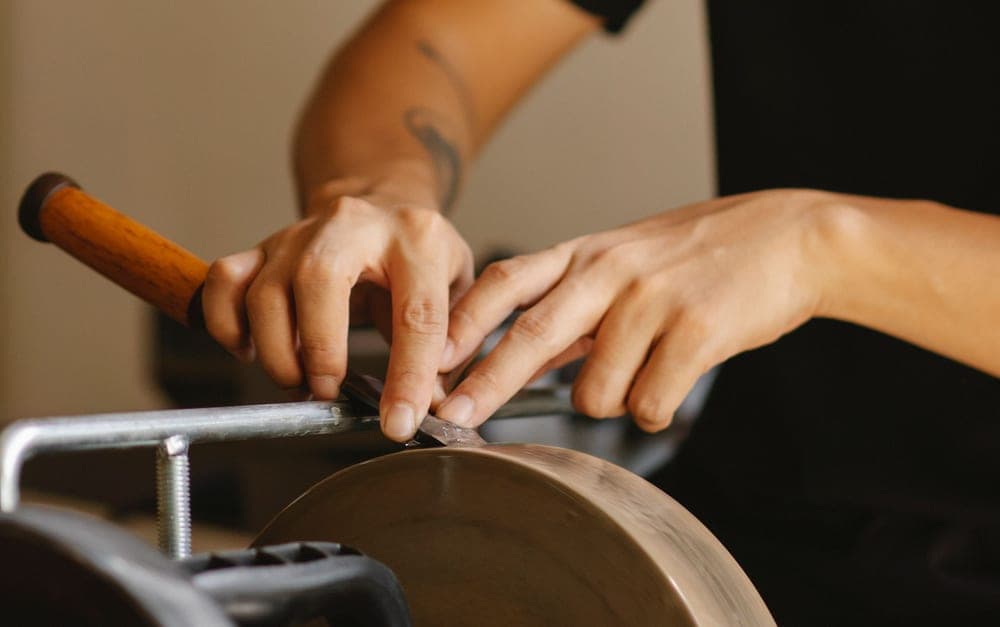
What this is based on: published manufacturer specifications and retailer listings, cited on each product; the weight of professional and owner reviews across multiple retailers; and hands-on experience sharpening and cooking with knives of this type. We have not individually tested every model listed, we do not run instrumented sharpness testing, and we do not claim a test we did not run.
Quick picks
| # | Product | Best for | Score | Price |
|---|---|---|---|---|
| 1 | 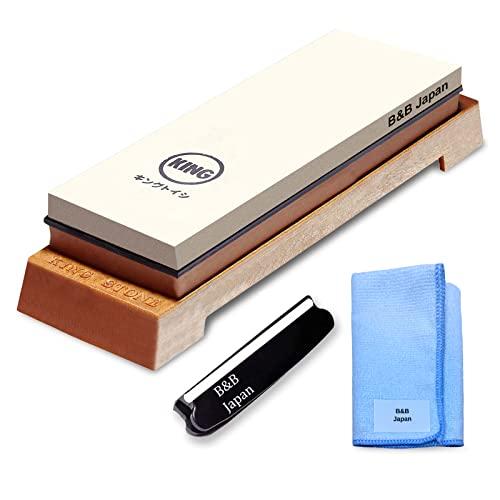 King 1000/6000 Combination Whetstone (Starter Set) | Your first stone | 8.4 | |
| 2 | 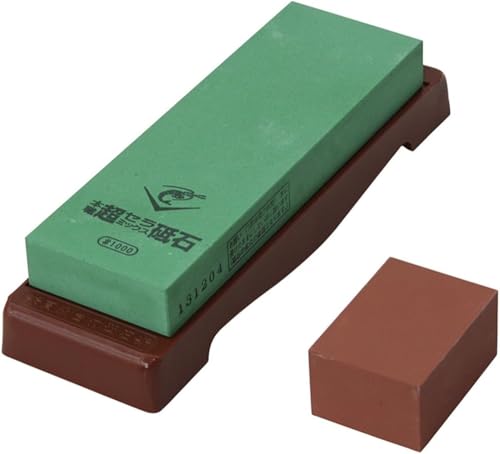 Naniwa Professional (Chosera) 1000 | The one stone to own if you only own one | 8.6 | |
| 3 | 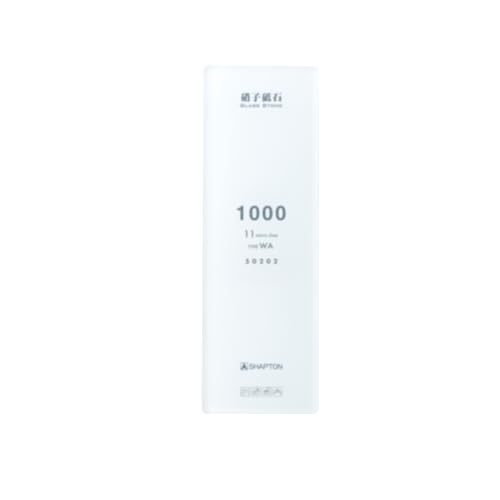 Shapton Glass Stone 1000 | Hard steels and no patience for soaking | 8.3 | |
| 4 | 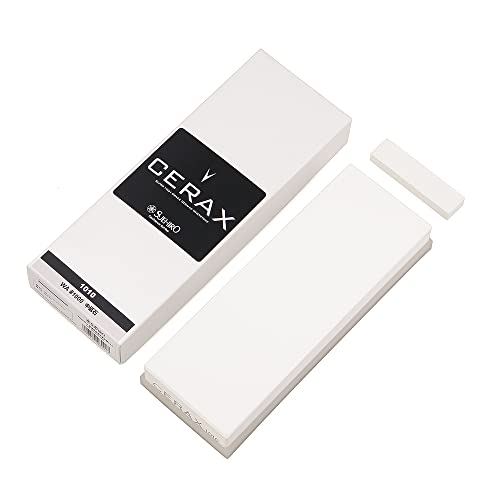 Suehiro Cerax 1010 (#1000) | SG2, HAP40 and other powder steels | 8.3 |
This is the question that stops more people from using their first stone than any other, usually because they were given one answer that was correct for somebody else's stone. There is no universal rule, and following the wrong one either wastes your time or slowly destroys the stone.
Why the binder decides it
A water stone is abrasive grit held in a matrix. The matrix has to release grit steadily as you work — that is what keeps the surface cutting instead of glazing — and water is the carrier that floats the spent grit and steel swarf away.
Clay binders are porous. They absorb water into the body of the stone, which then feeds the surface continuously while you sharpen. If the stone is dry inside, the surface dries within seconds and the swarf welds into a glaze. Magnesia binders and non-absorbent ceramics hold their structure without drinking, so surface water is all they ever need — and prolonged soaking attacks the binder itself.
How to tell which you own
| Stone | Binder | Soak |
|---|---|---|
| King KDS #1000/#6000 | Clay | #1000 side: 10-15 min. #6000 side: splash only |
| Naniwa Professional (Chosera) 1000 | Magnesia | Splash and go |
| Shapton Glass Stone 1000 | Non-absorbent ceramic on glass | Splash and go after a 5-6 min soak on first use only |
| Suehiro Cerax 1010 (#1000) | Ceramic water stone | Short soak required |
If you do not know what you have, the test takes thirty seconds. Put the stone in water and watch. A soaker gasses vigorously — a steady stream of bubbles for several minutes. A splash-and-go stone releases a handful of bubbles and then goes quiet almost immediately. That is the whole diagnostic.
Note the King specifically: it is a combination stone whose two faces want different treatment. The #1000 side soaks, the #6000 side does not. In practice you soak the block and simply do not leave the fine side submerged for long.
How to soak one properly
- Use a shallow tray, not the sink. Enough water to cover the stone and no more. Running water is wasted and a plug can fail.
- Wait for the bubbles to stop. Usually 10 to 15 minutes on a 1000-grit clay stone. That is the stone telling you it is saturated.
- Keep a splash bottle beside you. Even a soaked stone needs a film of water on the surface. Top it up whenever the slurry starts to drag.
- Do not rinse the slurry off mid-session. The gray paste is working abrasive; washing it away makes the stone cut slower, not cleaner.
- Dry it properly afterwards. Rinse, wipe, and leave it out to air dry fully before putting it away. Never store a stone in water.
The three mistakes
- Storing a soaker underwater permanently. It is convenient and it kills stones — freeze-thaw cracks them, and some clay binders soften for good. Soak before each session instead.
- Soaking a splash-and-go stone “to be safe”. A magnesia binder in water for an hour will start to crumble at the edges, and a glass-backed stone can separate from its base.
- Sharpening on a dry stone. It glazes, it stops cutting, and you conclude the stone is no good. It is the single most common reason a beginner abandons a perfectly fine stone.
If the stone suddenly feels like it has stopped cutting, splash it before you blame it. If splashing does not help and the surface is shiny, it needs flattening rather than water — how to flatten a whetstone.
How long is long enough
Soaking time scales with grit, because fine stones are denser and absorb less. As a rule of thumb for clay-binder stones:
| Grit | Soak | Why |
|---|---|---|
| 200-400 (coarse) | 10-15 min | Open, porous structure; drinks freely |
| 800-1200 (medium) | 10-15 min | The working grit, and the thirstiest in practice |
| 3000-6000 (fine) | Splash only | Dense enough that surface water is sufficient |
| 8000+ (finishing) | Splash only | Soaking can soften the binder and dish the face |
Note the pattern: it is the 1000-grit stone, the one you use most, that most often needs the soak. Fine finishing stones almost never do, which is why combination stones like the King KDS have asymmetric instructions.
Keeping it wet while you work
Soaking gets you started; it does not carry you through a session. A stone that has been working for five minutes will have dried at the surface even if it is saturated inside, and the first sign is the stroke starting to feel sticky and sound dry.
- Keep a spray bottle or a cup beside the stone. A splash every thirty seconds is normal, not a sign you did something wrong.
- Let the slurry build. The gray paste is suspended abrasive and steel. It cuts. Washing it off mid-session slows the stone down.
- Watch for a shiny patch. A glazed area that water does not fix means the surface has loaded and needs a few strokes of a flattening plate.
- Re-soak between knives if you are doing several and the block has started to feel light.
If you are choosing a first stone
Soaking is not a reason to avoid a stone, but it is a reason to be honest about your habits. A soaker adds 15 minutes of waiting to every session, and a stone that requires planning gets used less often than one you can wet and start.
The King KDS is the forgiving, cheap, two-grit choice if you do not mind the wait. The Naniwa Professional 1000 is the one to buy if you want to walk to the sink and start — it is also the single best 1000-grit stone here for hard Japanese steel. More on both in best whetstone for beginners and the full whetstone roundup.
Once the stone is wet, the technique is the same either way: setup, stroke and upkeep.
For a close look at what a genuinely soak-free stone is like to own, our Shapton Glass Stone 1000 review works through the trade: no soaking and no damp storage, against 5 mm of abrasive and very little feedback through the handle.
If the water itself is the worry rather than the wait, the best waterproof knife sharpeners covers the tools built to live wet - an all-metal roller, three stones and a rod you can wash like a spoon - and what a rinse actually ruins.
The picks in detail
#1 · Your first stone
King 1000/6000 Combination Whetstone (Starter Set)
The stone almost everyone learns on. Soft, forgiving, cheap, and it tells you loudly when your angle wanders.
What it does well
- Two useful grits in one block for the price of half a premium stone
- Soft binder builds slurry readily, which gives beginners real feedback
- Almost impossible to damage a knife on it
Where it gives way
- Dishes quickly and needs flattening often
- The soak is a real commitment — you cannot sharpen on a whim
- Slow on hard powder steels like SG2
Skip it if: Impatient people. The 1000 side wants a 10-15 minute soak before every session and the clay binder dishes fast.
| Grits | #1000 / #6000, combination |
|---|---|
| Binder | Clay |
| Soaking | #1000 side: 10-15 minutes. #6000 side: splash only |
| Size | 207 x 66 x 36 mm |
| Weight | approx. 956 g |
| In the box | Stone, plastic base, angle holder and wiping cloth |
#2 · The one stone to own if you only own one
Naniwa Professional (Chosera) 1000
The stone that does the most with one grit. Hard enough to dish slowly, soft enough to raise a slurry that tells you what the edge is doing.
What it does well
- Splash and go, but still builds a rich, informative slurry
- Fast enough to reset a dull edge, refined enough to finish on
- 20 mm of abrasive — years of use before it is spent
Where it gives way
- Expensive for a single grit
- Magnesia binder does not like being stored wet
- You will still want a finishing stone eventually
Skip it if: A tight budget. It costs more than a combination stone and gives you one grit.
| Grit | 1000 |
|---|---|
| Size | 210 x 70 x 20 mm |
| Soaking | Splash and go |
| Binder | Magnesia |
#3 · Hard steels and no patience for soaking
Shapton Glass Stone 1000
5 mm of hard abrasive bonded to a glass plate. Splash and go, dishes slowly, and cuts hard steel that a King barely scratches.
What it does well
- Genuinely splash and go — water on, sharpen, done in five minutes
- Hard binder dishes far more slowly than a clay stone
- Cuts hard powder steels that soft stones struggle with
Where it gives way
- Only 5 mm of usable abrasive; the glass base is not a stone
- Hard and quiet, so it hides angle errors from a beginner
- Costs roughly what a full King combination stone does, for one grit
Skip it if: Learning on. It is hard and quiet — it gives far less feedback than a soft stone, which is exactly what a beginner needs.
| Grit | 1000 (Shapton scale) |
|---|---|
| Size | 210 x 70 mm, 5 mm abrasive on a 5 mm glass base |
| Soaking | None - splash and go; keep the surface wet with a squirt bottle |
| Binder | Non-absorbent ceramic |
#4 · SG2, HAP40 and other powder steels
Suehiro Cerax 1010 (#1000)
High abrasive concentration, minimal binder. It bites hard, abrasion-resistant steels that politer stones skate over.
What it does well
- High abrasive concentration cuts hard steels quickly
- Builds slurry well and gives good tactile feedback
- Middle-of-the-road hardness suits most kitchen steels
Where it gives way
- Needs a soak, so it is not a five-minute job
- Slurry is messy
- Less widely stocked in the US than King or Shapton
Skip it if: Splash-and-go convenience. It wants a short soak first, every time.
| Grit | #1000 |
|---|---|
| Model | Cerax 1010 |
| Soaking | Short soak required |
| Hardness | Softer than a Shapton Pro, harder than a Naniwa Super Stone |
Common questions
Do you need to soak a whetstone?
How long should you soak a whetstone?
What happens if you do not soak a soaking stone?
Can you ruin a splash-and-go stone by soaking it?
Sources
Read next
Whetstones & Skill
How to Use a Whetstone
Whetstones & Skill
Best Whetstones for Kitchen Knives
Whetstones & Skill
Whetstone Grit Chart
Whetstones & Skill
How to Flatten a Whetstone
Whetstones & Skill
Whetstone vs Oilstone
Whetstones & Skill