Whetstones & Skill
Best Splash and Go Whetstones
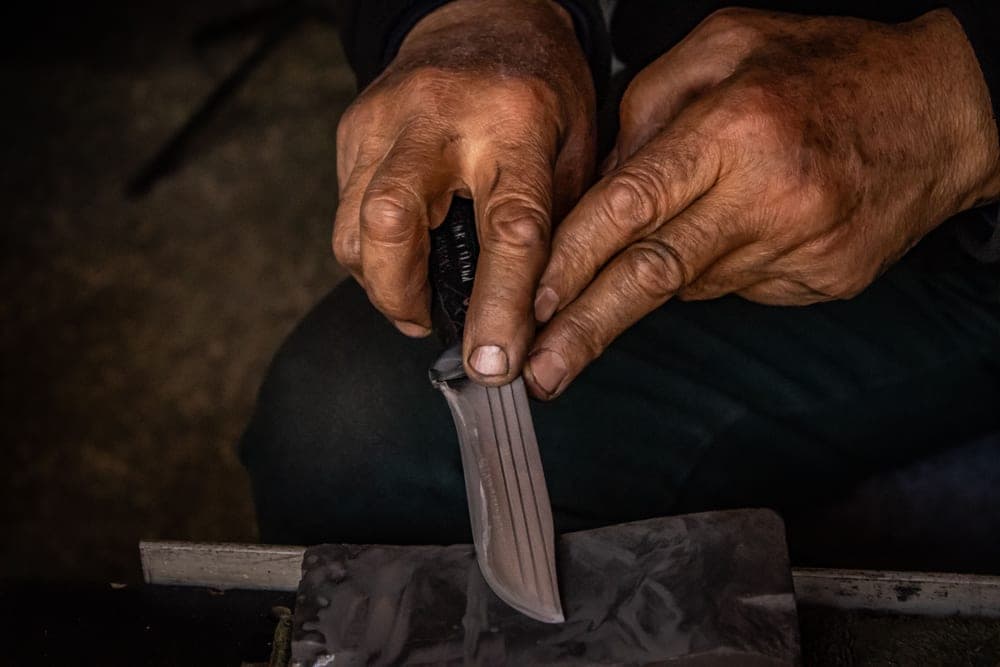
What this is based on: published manufacturer specifications and retailer listings, cited on each product; the weight of professional and owner reviews across multiple retailers; and hands-on experience sharpening and cooking with knives of this type. We have not individually tested every model listed, we do not run instrumented sharpness testing, and we do not claim a test we did not run.
Quick picks
| # | Product | Best for | Score | Price |
|---|---|---|---|---|
| 1 | 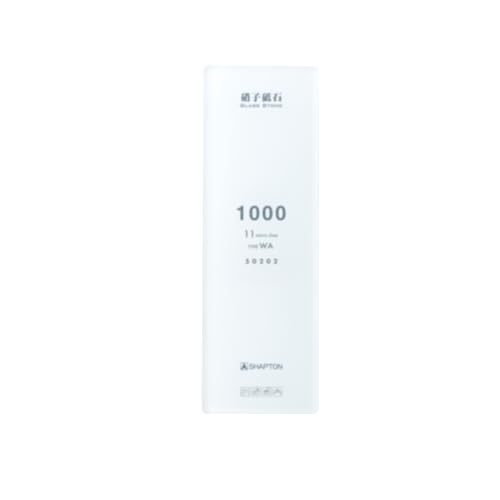 Shapton Glass Stone 1000 | Hard steels and no patience for soaking | 8.3 | |
| 2 | 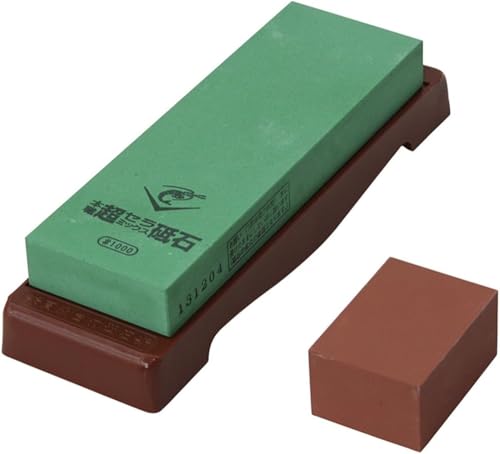 Naniwa Professional (Chosera) 1000 | The one stone to own if you only own one | 8.6 | |
| 3 | 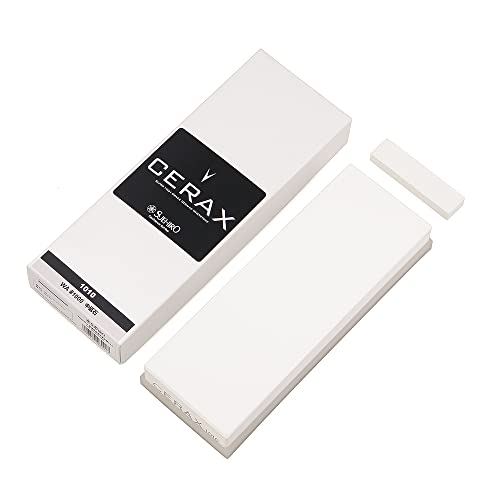 Suehiro Cerax 1010 (#1000) | SG2, HAP40 and other powder steels | 8.3 | |
| 4 | 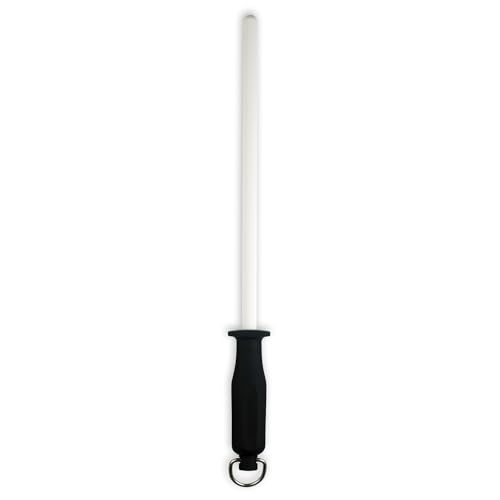 Messermeister 12" Fine Ceramic Sharpening Rod (CR-12F) | Maintaining a hard Japanese edge between sharpenings | 8.8 |
Only two stones in our registry are genuinely soak-free, and that is the single most useful fact on this page. The category is smaller than the search results suggest, because a lot of listings use "splash and go" to mean "a short soak is fine", which is not the same promise.
Why the soak decides whether you sharpen
A soaking stone is not worse. It is a different commitment. The King 1000/6000 that most people learn on wants its coarse side in water for ten to fifteen minutes before the first stroke, which turns sharpening into something you plan for after dinner. In practice that means the stone comes out twice a year, the knives stay dull for months, and the owner concludes they are bad at sharpening.
A splash-and-go stone collapses that into five minutes with a squirt bottle, and five-minute jobs actually happen. The trade is feedback: hard, non-absorbent binders build little slurry and transmit far less information through the blade. A beginner sharpening on a Shapton can hold a bad angle for twenty minutes without the stone complaining. We go through the whole soak question on do you need to soak a whetstone.
Which of these is for you
| Pick | Water requirement | Binder and feedback |
|---|---|---|
| Shapton Glass 1000 | None - splash and keep wet | Non-absorbent ceramic; hard, fast, quiet |
| Naniwa Professional 1000 | None - splash and go | Magnesia; still raises an informative slurry |
| Suehiro Cerax 1010 | Short soak required | High abrasive concentration; messy, talkative slurry |
| Messermeister 12 in ceramic rod | None at all - use it dry | 1200 grit ceramic; hones rather than sharpens |
Glass against magnesia
The two genuine splash-and-go picks here solve the same problem differently, and the choice between them is not about speed. The Shapton bonds 5 mm of abrasive to a glass plate: it is the hardest, fastest and least informative of the two, it dishes very slowly, and when those 5 mm are gone the stone is finished because the glass underneath is not abrasive. The Naniwa Professional carries 20 mm of magnesia-bonded abrasive, raises a richer slurry, and will outlast the Shapton by years.
If you own hard powder steels, lean Shapton. If you want one stone for the rest of your life and a bit of feedback while you learn, lean Naniwa. Both appear on the main whetstone roundup ranked against the soaking stones, and the brand comparison explains where each maker's binder philosophy comes from.
Three things that spoil a soak-free setup
Letting the surface run dry mid-stroke. Splash and go does not mean sharpen dry. A dry hard stone glazes and stops cutting. Keep a squirt bottle in reach and wet it every thirty seconds.
Storing a magnesia stone wet. The Naniwa's binder degrades if it lives damp. Rinse, wipe, let it dry fully, then shelve it.
Skipping the flatten because the stone is hard. Hard stones dish slowly, not never. See how to flatten a whetstone.
How these were chosen
Every candidate had to be currently sold to US buyers and to have its water requirement and binder stated by the maker or a specialist retailer, because that is the entire subject of the page and we were not prepared to infer it. Two stones met the soak-free test outright. The third is in as the budget option with its short soak named in the award label itself, and the fourth is not a stone at all - a ceramic rod needs no water whatsoever, and it is the cheapest way to keep an edge between sessions.
We score on speed, feedback, durability and value, on the rubric at our methodology page. Those are editorial judgments and not measurements, and we have run no abrasion tests. Prices come from the live listing for each pick with the date they were read beside the button; where a listing has no live offer, the button says so rather than showing an old number.
If the budget rather than the soak is what is driving the decision, the best knife sharpeners under $100 covers the same stones ranked by price ceiling, and waterproof knife sharpeners takes the opposite angle - tools built to live wet rather than to avoid water.
The picks in detail
#1 · Hard steels and no patience for soaking
Shapton Glass Stone 1000
5 mm of hard abrasive bonded to a glass plate. Splash and go, dishes slowly, and cuts hard steel that a King barely scratches.
What it does well
- Genuinely splash and go — water on, sharpen, done in five minutes
- Hard binder dishes far more slowly than a clay stone
- Cuts hard powder steels that soft stones struggle with
Where it gives way
- Only 5 mm of usable abrasive; the glass base is not a stone
- Hard and quiet, so it hides angle errors from a beginner
- Costs roughly what a full King combination stone does, for one grit
Skip it if: Learning on. It is hard and quiet — it gives far less feedback than a soft stone, which is exactly what a beginner needs.
| Grit | 1000 (Shapton scale) |
|---|---|
| Size | 210 x 70 mm, 5 mm abrasive on a 5 mm glass base |
| Soaking | None - splash and go; keep the surface wet with a squirt bottle |
| Binder | Non-absorbent ceramic |
#2 · The one stone to own if you only own one
Naniwa Professional (Chosera) 1000
The stone that does the most with one grit. Hard enough to dish slowly, soft enough to raise a slurry that tells you what the edge is doing.
What it does well
- Splash and go, but still builds a rich, informative slurry
- Fast enough to reset a dull edge, refined enough to finish on
- 20 mm of abrasive — years of use before it is spent
Where it gives way
- Expensive for a single grit
- Magnesia binder does not like being stored wet
- You will still want a finishing stone eventually
Skip it if: A tight budget. It costs more than a combination stone and gives you one grit.
| Grit | 1000 |
|---|---|
| Size | 210 x 70 x 20 mm |
| Soaking | Splash and go |
| Binder | Magnesia |
#3 · SG2, HAP40 and other powder steels
Suehiro Cerax 1010 (#1000)
High abrasive concentration, minimal binder. It bites hard, abrasion-resistant steels that politer stones skate over.
What it does well
- High abrasive concentration cuts hard steels quickly
- Builds slurry well and gives good tactile feedback
- Middle-of-the-road hardness suits most kitchen steels
Where it gives way
- Needs a soak, so it is not a five-minute job
- Slurry is messy
- Less widely stocked in the US than King or Shapton
Skip it if: Splash-and-go convenience. It wants a short soak first, every time.
| Grit | #1000 |
|---|---|
| Model | Cerax 1010 |
| Soaking | Short soak required |
| Hardness | Softer than a Shapton Pro, harder than a Naniwa Super Stone |
#4 · Maintaining a hard Japanese edge between sharpenings
Messermeister 12" Fine Ceramic Sharpening Rod (CR-12F)
The honing rod that is actually harder than your knife. Fine 1200-grit ceramic, which is roughly 3000-3500 on the Japanese scale.
What it does well
- Ceramic is harder than the steel in a 60+ HRC Japanese knife; a steel rod often is not
- 1200 grit realigns without removing meaningful steel
- 12 in of rod handles a 240 mm gyuto in one pass
Where it gives way
- Ceramic is brittle — one hard knock on a stone counter and it is done
- Removes so little steel that it cannot rescue a truly dull knife
- 12 in is longer than some drawers
Skip it if: Anyone who bangs the rod on the counter. Ceramic chips; steel does not.
| Rod length | 12 in |
|---|---|
| Overall length | 18.25 in |
| Grit | Fine, 1200 grit (approx. 3500 JIS) |
| Material | Ceramic abrasive over a ceramic core |
| Handle | Soft-grip ABS with a metal hang ring |
| Weight | 8.2 oz (235 g) |
| Origin | Made in China |
Common questions
What does splash and go actually mean?
Is a splash and go stone as good as a soaking stone?
Why is the budget pick a stone that needs soaking?
Can I soak a splash and go stone anyway?
Do I still need a flattening plate?
Sources
Read next
Whetstones & Skill
Do You Need to Soak a Whetstone?
Whetstones & Skill
Best Whetstones for Kitchen Knives
Sharpeners
Best Waterproof Knife Sharpeners
Whetstones & Skill
How to Use a Whetstone
Whetstones & Skill
Whetstone Grit Chart
Sharpeners