Sharpeners
Best Manual Knife Sharpeners
What this is based on: published manufacturer specifications and retailer listings, cited on each product; the weight of professional and owner reviews across multiple retailers; and hands-on experience sharpening and cooking with knives of this type. We have not individually tested every model listed, we do not run instrumented sharpness testing, and we do not claim a test we did not run.
Quick picks
| # | Product | Best for | Score | Price |
|---|---|---|---|---|
| 1 | 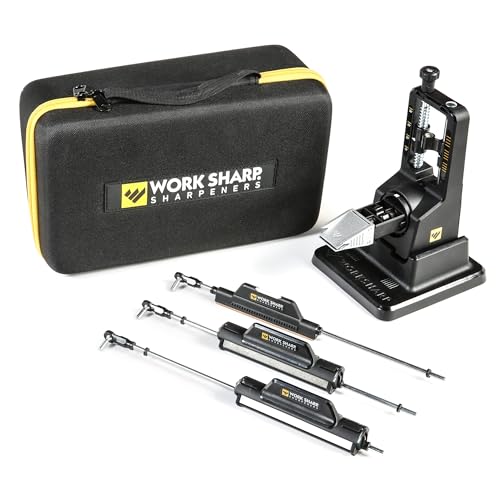 Work Sharp Precision Adjust Elite | Repeatable angles without years of practice | 8.2 | |
| 2 | 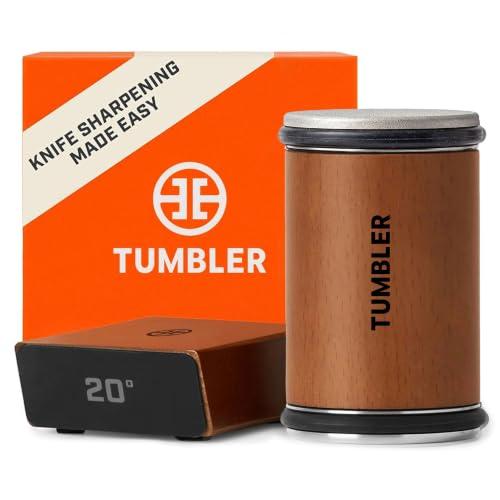 Tumbler Rolling Knife Sharpener | People who want a fixed angle and hate gear | 8.0 | |
| 3 | 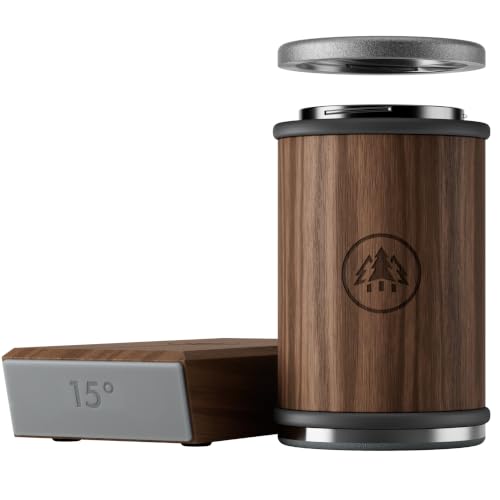 HORL 3 Rolling Knife Sharpener | A 15-degree Japanese edge you want kept sharp without learning to sharpen | 8.1 | |
| 4 | 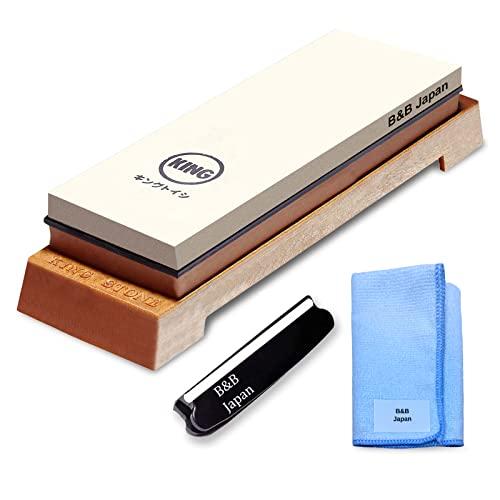 King 1000/6000 Combination Whetstone (Starter Set) | Your first stone | 8.4 | |
| 5 | 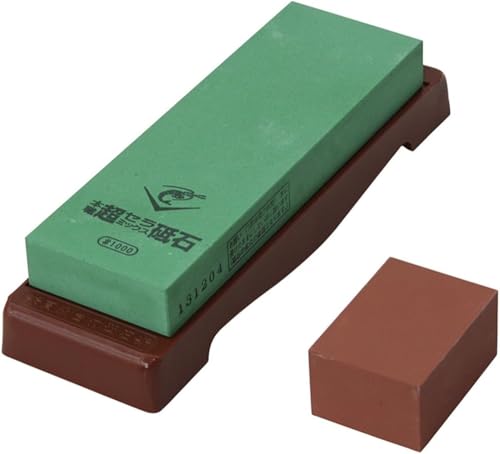 Naniwa Professional (Chosera) 1000 | The one stone to own if you only own one | 8.6 | |
| 6 | 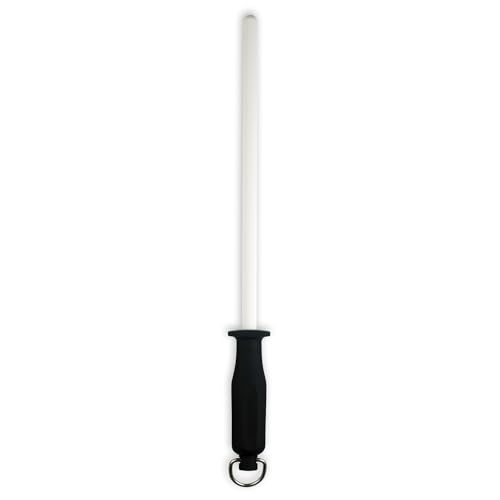 Messermeister 12" Fine Ceramic Sharpening Rod (CR-12F) | Maintaining a hard Japanese edge between sharpenings | 8.8 |
Nothing on this page has a motor. That is the whole selection rule, and it is a more useful rule than it sounds, because the manual category contains four genuinely different tools that get bundled together by search engines and separated by nothing except what they ask of you.
The four kinds of manual sharpener
A guided system clamps the knife and runs an abrasive down a rod at a set angle. A rolling sharpener holds the knife on a magnet and rolls an abrasive disc along the edge at a fixed angle. A whetstone gives you an abrasive surface and nothing else. A honing rod does not really sharpen at all - it straightens an edge that has rolled over. Three of the four remove steel; the rod mostly does not.
Ranking them against each other on raw sharpness is a category error, because a competent hand on a 1,000-grit stone beats every guided system here and an incompetent hand on the same stone loses to all of them. So the ranking below is on angle control first, steel removed per minute second, and what the tool cannot do third. Every pick names the job it will not do.
Which of these is for you
| If you… | Buy | Why |
|---|---|---|
| want a repeatable angle today | Work Sharp Precision Adjust Elite | 15-30 degrees in one-degree steps, seven abrasives from 220 grit to strop |
| hate gear and own Japanese knives | Tumbler or HORL 3 | Two pieces, fixed at 15 or 20 degrees, nothing to set |
| want to spend the least | King 1000/6000 | Two useful grits in one block, and it teaches you the angle |
| want one stone for the rest of your life | Naniwa Professional 1000 | 20 mm of magnesia-bonded abrasive, splash and go, slow to dish |
| sharpen fine but go dull mid-week | Messermeister 12 in ceramic rod | 1200 grit ceramic is harder than a 61 HRC blade; a steel rod often is not |
| have a chipped edge | Work Sharp, or a coarse stone | Rolling sharpeners are maintenance, not repair |
Angle is the whole argument
A kitchen knife goes blunt in two different ways. The edge rolls over, which a rod fixes in thirty seconds, or it wears away, which needs steel removed at a consistent angle until a fresh apex forms. Hold the angle and almost any abrasive will work. Wander by five degrees on alternating strokes and you will grind for twenty minutes, produce a rounded, convex, dull edge, and then conclude the sharpener is bad.
That is why the guided system leads this page. The Work Sharp's one-degree increments matter on this site specifically: most Japanese kitchen knives arrive ground near 15 degrees per side, most Western knives near 20, and a tool that only offers one of those two numbers will reprofile half your drawer. Our knife sharpening angle guide sets out which angle belongs on which knife.
Rolling sharpeners take the opposite approach: they offer exactly 15 and 20 degrees and remove your ability to be wrong. That is a genuinely good trade if your knives are ground near those figures, and a bad one if they are not. It is also the reason they cannot repair anything - whetstone against rolling sharpener walks through where each one stops.
What to avoid in this category
Pull-through sharpeners with carbide vee slots. They are manual, they are cheap, and they scrape steel off at whatever angle the slot was moulded to. On a thin Japanese blade that is reprofiling, not sharpening. We cover the exception - fine ceramic wheels on a soft Western knife - on the pull-through page.
A standard steel honing rod on a hard Japanese knife. If the rod is softer than the blade it burnishes rather than realigns. Ceramic against steel has the hardness figures.
Anything claiming it never needs flattening. Every stone dishes. The soft ones dish fast. That is a maintenance task, not a defect - see how to flatten a whetstone.
How these were chosen
Every candidate had to be hand-powered, currently sold to US buyers, and backed by specifications its manufacturer or a specialist retailer actually publishes - angle range, abrasive type and grit, and in the case of stones the binder and whether it needs soaking. We score each pick on effectiveness, kindness to the edge, durability and value, on the rubric set out on our methodology page. Those are editorial judgments, not laboratory measurements, and we do not claim otherwise.
Prices in the table above come from the live listing for each product and carry the date they were read. They move; the ranking does not move with them, which is why the budget pick is named on what it does rather than on being whatever is cheapest this week.
What to buy after the sharpener
- A flattening plate, if you bought a stone. A dished stone puts a convex edge on a knife no matter how good your technique is.
- A fine ceramic rod. It is the cheapest thing in this category and it does more for weekly sharpness than any upgrade.
- A strop. Two minutes of edge-trailing strokes removes the burr a stone leaves. See our strop picks.
If the budget is the deciding factor rather than the mechanism, the best knife sharpeners under $100 takes the same field and cuts it by price ceiling instead - and the answer changes, because the two machines at the top of this page are both above that line.
The picks in detail
#1 · Repeatable angles without years of practice
Work Sharp Precision Adjust Elite
A clamped, angle-guided system adjustable from 15 to 30 degrees in one-degree steps, with five diamond plates, a ceramic and a strop. It removes the one variable beginners cannot control.
What it does well
- One-degree angle increments mean you can actually match a 15-degree Japanese factory edge
- Seven abrasive options covers repair through polish
- Angle repeatability is the thing beginners lack, and this supplies it
Where it gives way
- Clamp limits blade length and height
- Slower per knife than a competent freehand session
- A lot of parts to store and lose
Skip it if: Long or very tall blades. A clamp-and-rod system fights a 240 mm gyuto, and it is slow compared to a stone once you can hold an angle.
| Angle range | 15-30 degrees, 1-degree increments |
|---|---|
| Abrasives | 220, 320, 400, 600, 800 diamond plates + fine ceramic |
| Also included | Leather strop and ceramic rod for serrations |
| Clamp | V-Block |
| Storage | Carry case and Tri-Brasive rack |
#2 · People who want a fixed angle and hate gear
Tumbler Rolling Knife Sharpener
A magnetic holder and a rolling abrasive disc that fixes your angle at 15 or 20 degrees. Two pieces, almost no learning curve.
What it does well
- Two pieces, nothing to assemble, nothing to set
- 15-degree setting is the correct angle for most Japanese kitchen knives
- Cheaper than the German alternative and, in side-by-side comparisons, as sharp
Where it gives way
- Magnetic holder limits you to the angles it offers
- Rolls less smoothly than the Horl 2
- Does nothing for a chipped or badly reprofiled edge
Skip it if: Anyone who wants to learn to sharpen. It works by removing the skill, which means you never acquire it.
| Angles | 15 degrees and 20 degrees |
|---|---|
| Components | Sharpening roller + magnetic knife holder |
| Origin | Made in China |
#3 · A 15-degree Japanese edge you want kept sharp without learning to sharpen
HORL 3 Rolling Knife Sharpener
The third generation of the sharpener everyone copies. Block diamonds remove 80 percent more steel than the HORL 2, the magnetic grip pad holds 70 percent harder, and the discs now swap with a twist. Still only two angles.
What it does well
- 15-degree setting matches the factory grind on most Japanese kitchen knives
- Interchangeable diamond and ceramic discs, so it is serviceable rather than disposable
- The stronger magnetic grip pad holds small knives that the HORL 2 struggled with
Where it gives way
- Two angles only — the six-angle range is reserved for the much pricier Pro
- Sits at the premium end of the rolling-sharpener bracket; the Tumbler does the same job for far less
- Cannot repair a chip, flatten a warped bevel or thin a blade behind the edge
Skip it if: Anyone whose knives are not ground near 15 or 20 degrees, and anyone with a chipped or badly reprofiled edge — this is maintenance, not repair.
| Angles | 15 degrees and 20 degrees |
|---|---|
| Discs | Block-diamond sharpening + ceramic honing, interchangeable |
| Disc exchange | Quick Lock — swap with a twist |
| Magnetic support | Grip Pad, 70% more grip than the HORL 2 |
| Abrasion | 80% more material removal than the HORL 2 |
| Body | Solid oak or walnut |
| Origin | Engineered in Germany |
#4 · Your first stone
King 1000/6000 Combination Whetstone (Starter Set)
The stone almost everyone learns on. Soft, forgiving, cheap, and it tells you loudly when your angle wanders.
What it does well
- Two useful grits in one block for the price of half a premium stone
- Soft binder builds slurry readily, which gives beginners real feedback
- Almost impossible to damage a knife on it
Where it gives way
- Dishes quickly and needs flattening often
- The soak is a real commitment — you cannot sharpen on a whim
- Slow on hard powder steels like SG2
Skip it if: Impatient people. The 1000 side wants a 10-15 minute soak before every session and the clay binder dishes fast.
| Grits | #1000 / #6000, combination |
|---|---|
| Binder | Clay |
| Soaking | #1000 side: 10-15 minutes. #6000 side: splash only |
| Size | 207 x 66 x 36 mm |
| Weight | approx. 956 g |
| In the box | Stone, plastic base, angle holder and wiping cloth |
#5 · The one stone to own if you only own one
Naniwa Professional (Chosera) 1000
The stone that does the most with one grit. Hard enough to dish slowly, soft enough to raise a slurry that tells you what the edge is doing.
What it does well
- Splash and go, but still builds a rich, informative slurry
- Fast enough to reset a dull edge, refined enough to finish on
- 20 mm of abrasive — years of use before it is spent
Where it gives way
- Expensive for a single grit
- Magnesia binder does not like being stored wet
- You will still want a finishing stone eventually
Skip it if: A tight budget. It costs more than a combination stone and gives you one grit.
| Grit | 1000 |
|---|---|
| Size | 210 x 70 x 20 mm |
| Soaking | Splash and go |
| Binder | Magnesia |
#6 · Maintaining a hard Japanese edge between sharpenings
Messermeister 12" Fine Ceramic Sharpening Rod (CR-12F)
The honing rod that is actually harder than your knife. Fine 1200-grit ceramic, which is roughly 3000-3500 on the Japanese scale.
What it does well
- Ceramic is harder than the steel in a 60+ HRC Japanese knife; a steel rod often is not
- 1200 grit realigns without removing meaningful steel
- 12 in of rod handles a 240 mm gyuto in one pass
Where it gives way
- Ceramic is brittle — one hard knock on a stone counter and it is done
- Removes so little steel that it cannot rescue a truly dull knife
- 12 in is longer than some drawers
Skip it if: Anyone who bangs the rod on the counter. Ceramic chips; steel does not.
| Rod length | 12 in |
|---|---|
| Overall length | 18.25 in |
| Grit | Fine, 1200 grit (approx. 3500 JIS) |
| Material | Ceramic abrasive over a ceramic core |
| Handle | Soft-grip ABS with a metal hang ring |
| Weight | 8.2 oz (235 g) |
| Origin | Made in China |
Common questions
Is a manual sharpener better than an electric one?
What does 'analog knife sharpener' mean?
Which manual sharpener needs the least skill?
Can a manual sharpener fix a chipped edge?
Do I still need a honing rod if I own a manual sharpener?
Sources
Read next
Sharpeners
Best Knife Sharpeners Under $100
Sharpeners
Best Electric Knife Sharpeners
Sharpeners
Guided Sharpening Systems
Sharpeners
Best Rolling Knife Sharpeners
Whetstones & Skill
Knife Sharpening Angle Chart
Sharpeners