Whetstones & Skill
Best Whetstone for Japanese Knives
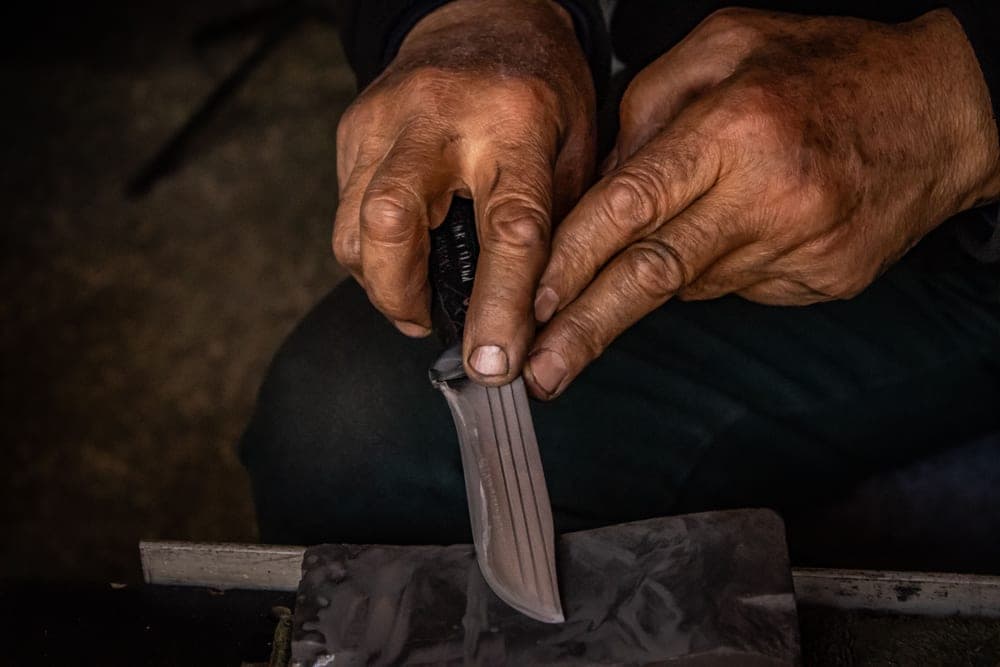
What this is based on: published manufacturer specifications and retailer listings, cited on each product; the weight of professional and owner reviews across multiple retailers; and hands-on experience sharpening and cooking with knives of this type. We have not individually tested every model listed, we do not run instrumented sharpness testing, and we do not claim a test we did not run.
Quick picks
| # | Product | Best for | Score | Price |
|---|---|---|---|---|
| 1 | 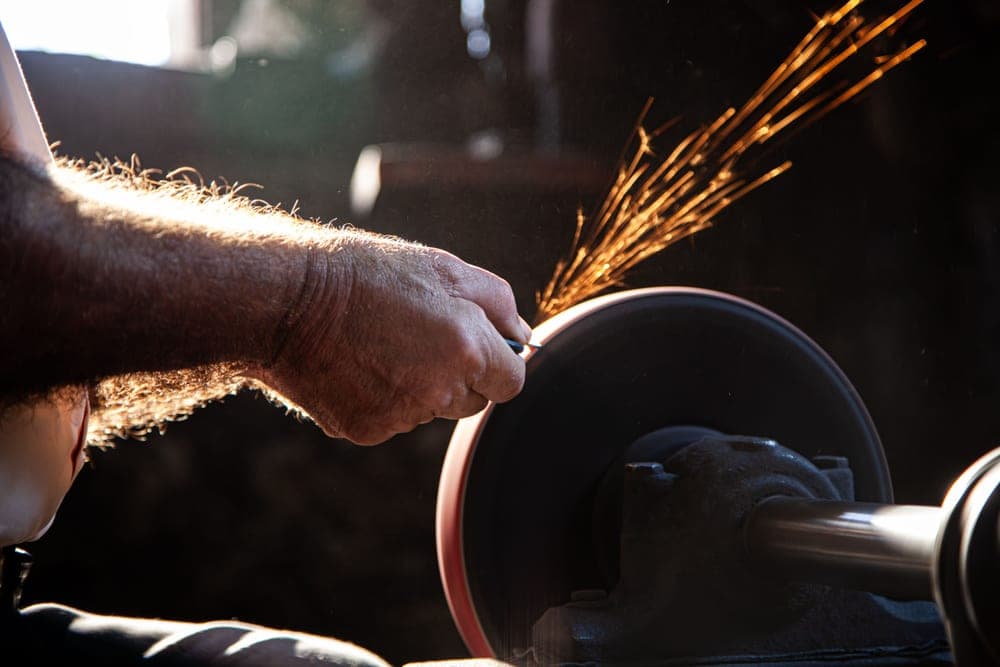 Naniwa Professional (Chosera) 1000 | The one stone to own if you only own one | 8.6 | |
| 2 | Suehiro Cerax 1000 | SG2, HAP40 and other powder steels | 8.3 | |
| 3 | 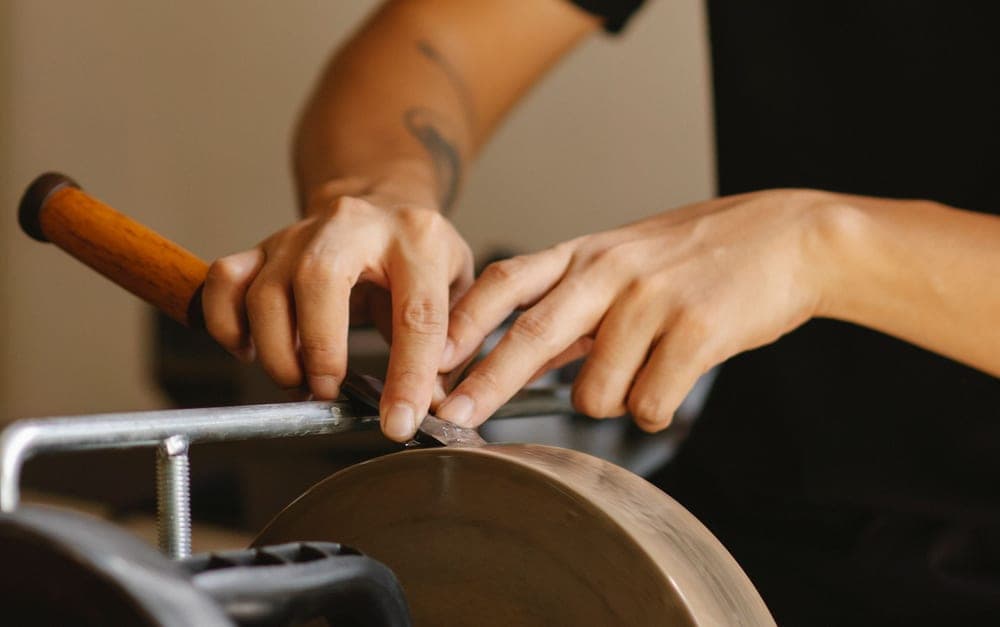 Shapton Glass Stone 1000 | Hard steels and no patience for soaking | 8.3 | |
| 4 | 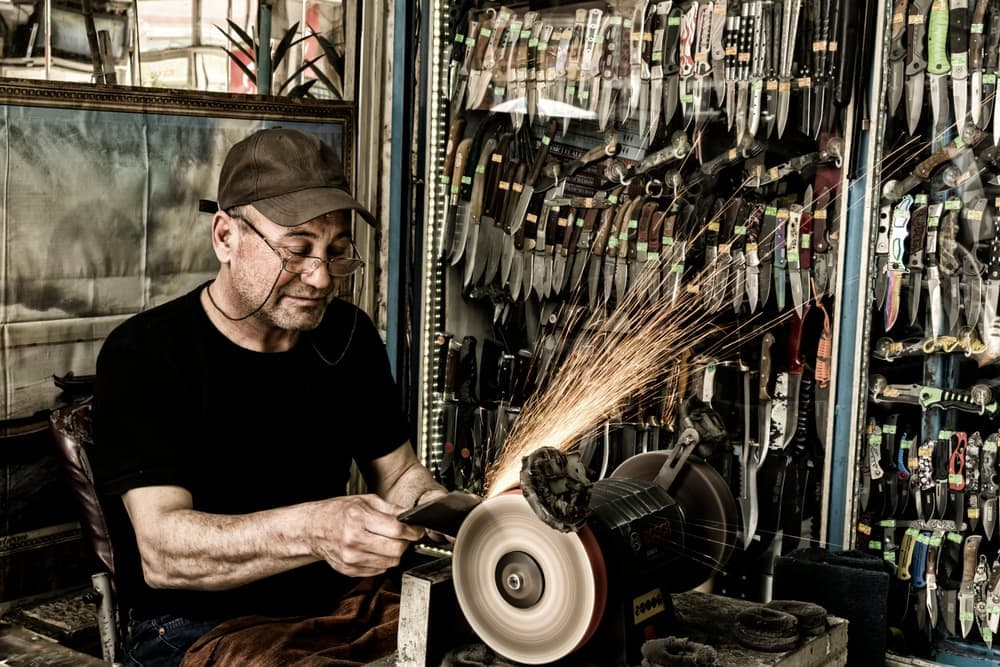 King KDS Combination Whetstone #1000/#6000 | Your first stone | 8.4 |
Why hard steel changes the stone you want
- Harder steel resists the abrasive. A soft binder releases fresh abrasive quickly, which helps — but a soft stone also wears away faster than it cuts on a hard blade, so you spend your time flattening.
- Powder steels have harder carbides. SG2 and HAP40 contain fine, hard carbides that a conventional alumina abrasive cannot reliably cut. The stone skates instead of biting.
- Thin geometry is easy to over-thin. A 1.9mm spine does not have much steel to give. Aggressive coarse work on a Japanese knife reprofiles it faster than you expect.
The progression to run
| Grit | When you need it | How often |
|---|---|---|
| 200–400 | Chips, a broken tip, reprofiling a bad edge | Rarely — hopefully never |
| 1,000 | The actual sharpening. This is the workhorse. | Every session |
| 3,000–6,000 | Refining the edge; cleaner cuts through skins | Most sessions, if you own one |
| 8,000+ | Polish. Looks superb, wears off quickly on a kitchen knife. | Optional, and mostly for pleasure |
| Strop | Removing the burr the stones leave | Every session — cheapest gain here |
For a kitchen knife, 1,000 then 6,000 then strop is a complete routine. Anything beyond that is refinement you will lose on the first onion. Full detail in the grit guide.
The angle is the other half
A Japanese kitchen knife is typically ground at 15 to 16 degrees per side — MAC specifies 15, Shun specifies 16. Sharpening a 15-degree edge at 20 grinds away the thin geometry you paid for; sharpening it at 10 makes it chip. The stone will not save you from getting this wrong. How to find and hold the angle.
The verdict
The Naniwa Professional 1000 is the best single stone for a Japanese knife: hard enough to cut 60 HRC steel without dishing away, soft enough to build slurry and tell you what is happening, and splash and go so you actually use it. It costs more than a combination stone and gives you one grit, which is the honest trade.
If your knife is SG2, R2 or HAP40, the Suehiro Cerax 1000 is the one that bites — its high abrasive concentration is specifically effective on those steels. The Shapton Glass is the most convenient and the quietest. The King KDS still works on VG-10 and it is the right stone if money is the constraint.
The picks in detail
#1 · The one stone to own if you only own one
Naniwa Professional (Chosera) 1000
The stone that does the most with one grit. Hard enough to dish slowly, soft enough to raise a slurry that tells you what the edge is doing.
What it does well
- Splash and go, but still builds a rich, informative slurry
- Fast enough to reset a dull edge, refined enough to finish on
- 20 mm of abrasive — years of use before it is spent
Where it gives way
- Expensive for a single grit
- Magnesia binder does not like being stored wet
- You will still want a finishing stone eventually
Skip it if: A tight budget. It costs more than a combination stone and gives you one grit.
| Grit | 1000 |
|---|---|
| Size | 210 x 70 x 20 mm |
| Soaking | Splash and go |
| Binder | Magnesia |
#2 · SG2, HAP40 and other powder steels
Suehiro Cerax 1000
High abrasive concentration, minimal binder. It bites hard, abrasion-resistant steels that politer stones skate over.
What it does well
- High abrasive concentration cuts hard steels quickly
- Builds slurry well and gives good tactile feedback
- Middle-of-the-road hardness suits most kitchen steels
Where it gives way
- Needs a soak, so it is not a five-minute job
- Slurry is messy
- Less widely stocked in the US than King or Shapton
Skip it if: Splash-and-go convenience. It wants a short soak first, every time.
| Grit | 1000 |
|---|---|
| Soaking | Short soak required |
| Hardness | Softer than a Shapton Pro, harder than a Naniwa Super Stone |
#3 · Hard steels and no patience for soaking
Shapton Glass Stone 1000
5 mm of hard abrasive bonded to a glass plate. Splash and go, dishes slowly, and cuts hard steel that a King barely scratches.
What it does well
- Genuinely splash and go — water on, sharpen, done in five minutes
- Hard binder dishes far more slowly than a clay stone
- Cuts hard powder steels that soft stones struggle with
Where it gives way
- Only 5 mm of usable abrasive; the glass base is not a stone
- Hard and quiet, so it hides angle errors from a beginner
- Costs roughly what a full King combination stone does, for one grit
Skip it if: Learning on. It is hard and quiet — it gives far less feedback than a soft stone, which is exactly what a beginner needs.
| Grit | 1000 (Shapton scale) |
|---|---|
| Size | 210 x 70 mm, 5 mm abrasive on a 5 mm glass base |
| Soaking | Splash and go after a 5-6 minute soak on first use only |
| Binder | Non-absorbent ceramic |
#4 · Your first stone
King KDS Combination Whetstone #1000/#6000
The stone almost everyone learns on. Soft, forgiving, cheap, and it tells you loudly when your angle wanders.
What it does well
- Two useful grits in one block for the price of half a premium stone
- Soft binder builds slurry readily, which gives beginners real feedback
- Almost impossible to damage a knife on it
Where it gives way
- Dishes quickly and needs flattening often
- The soak is a real commitment — you cannot sharpen on a whim
- Slow on hard powder steels like SG2
Skip it if: Impatient people. The 1000 side wants a 10-15 minute soak before every session and the clay binder dishes fast.
| Grits | #1000 / #6000, combination |
|---|---|
| Binder | Clay |
| Soaking | #1000 side: 10-15 minutes. #6000 side: splash only |
| Size | 207 x 66 x 36 mm |
| Weight | approx. 956 g |
Common questions
What whetstone is best for Japanese knives?
Will a cheap stone sharpen a hard Japanese knife?
Do I need a finishing stone for a Japanese knife?
Are diamond plates better for hard steel?
Sources
Read next
Whetstones & Skill
Best Whetstones for Kitchen Knives
Whetstones & Skill
How to Sharpen a Japanese Knife
Whetstones & Skill
Whetstone Grit Chart
Steel & Care
VG-10 vs SG2 Steel
Whetstones & Skill
Knife Sharpening Angle Chart
Steel & Care